
Understanding how to effectively manage working capital for businesses remains one of the most critical factors in achieving sustainable growth and operational stability. Companies across all industries face the ongoing challenge of balancing their short-term assets and liabilities to maintain healthy cash flow while supporting daily operations. The ability to optimize this financial metric directly impacts a company's capacity to invest in opportunities, weather economic uncertainty, and build lasting relationships with suppliers and lenders.
Understanding Working Capital Fundamentals
Working capital for businesses represents the difference between current assets and current liabilities. This fundamental metric reveals whether a company possesses sufficient liquid resources to meet its short-term obligations and fund ongoing operations. Current assets typically include cash, accounts receivable, inventory, and marketable securities, while current liabilities encompass accounts payable, short-term debt, and accrued expenses.
The Corporate Finance Institute offers an in-depth guide on working capital, including formulas and examples that demonstrate how this metric functions in practice. The basic formula remains straightforward: Working Capital equals Current Assets minus Current Liabilities. However, the strategic implications of this calculation extend far beyond simple arithmetic.
Positive Versus Negative Working Capital
A positive working capital position indicates that a business can cover its immediate financial obligations and has resources available for growth initiatives. This cushion provides operational flexibility and demonstrates financial health to lenders, investors, and trade partners. Companies with strong positive working capital can negotiate better terms with suppliers, take advantage of early payment discounts, and respond quickly to market opportunities.
Negative working capital, while sometimes acceptable in specific business models, generally signals potential liquidity challenges. Businesses operating with negative working capital must carefully manage their cash conversion cycle to avoid disruptions in operations or defaults on obligations.

Key Components Affecting Working Capital
Accounts Receivable Management
The speed at which businesses collect payments from customers significantly influences working capital for businesses. Extended payment terms or inefficient collection processes tie up cash that could otherwise fund operations or expansion. Organizations must balance customer relationships with the need to maintain healthy cash flow.
Effective receivables management strategies include:
- Implementing clear credit policies and payment terms
- Conducting thorough credit checks before extending terms
- Sending timely invoices with accurate information
- Following up promptly on overdue accounts
- Offering early payment incentives when financially viable
Companies should regularly analyze their days sales outstanding (DSO) metric to identify trends and opportunities for improvement. A rising DSO indicates that cash is becoming trapped in receivables, potentially creating working capital constraints.
Inventory Optimization
Inventory represents a significant component of current assets for many businesses, particularly in manufacturing, retail, and distribution sectors. Holding excess inventory consumes cash and incurs storage costs, while insufficient inventory levels risk lost sales and customer dissatisfaction.
| Inventory Strategy | Benefits | Risks |
|---|---|---|
| Just-in-Time (JIT) | Reduced holding costs, improved cash flow | Supply chain vulnerability, potential stockouts |
| Safety Stock | Customer satisfaction, sales continuity | Higher carrying costs, obsolescence risk |
| ABC Analysis | Focused management on high-value items | Requires ongoing monitoring and adjustment |
| Demand Forecasting | Optimized purchasing, reduced waste | Accuracy depends on data quality and market stability |
The gold industry, for instance, faces unique inventory management challenges due to commodity price volatility and the high capital requirements of holding precious metals. Understanding risk in industry contexts helps businesses develop appropriate inventory strategies.
Accounts Payable Strategies
Managing when and how a company pays its suppliers directly affects working capital for businesses. While extending payment terms preserves cash longer, damaging supplier relationships or missing early payment discounts may prove counterproductive in the long term.
Strategic payables management involves:
- Negotiating favorable payment terms during vendor contract discussions
- Maintaining strong supplier relationships to preserve flexibility during cash constraints
- Evaluating the true cost of early payment discounts versus delayed payment
- Leveraging technology to optimize payment timing and reduce processing costs
- Monitoring days payable outstanding (DPO) to ensure consistency with industry norms
Working Capital Ratios and Metrics
Beyond the absolute working capital figure, several ratios provide deeper insights into operational efficiency and financial health. The current ratio (current assets divided by current liabilities) offers a quick assessment of liquidity, with values above 1.0 indicating positive working capital. However, the ideal ratio varies by industry and business model.
The quick ratio, also called the acid-test ratio, excludes inventory from current assets to provide a more conservative liquidity measure. This metric proves particularly valuable for businesses with slow-moving or potentially obsolete inventory.
Cash Conversion Cycle Analysis
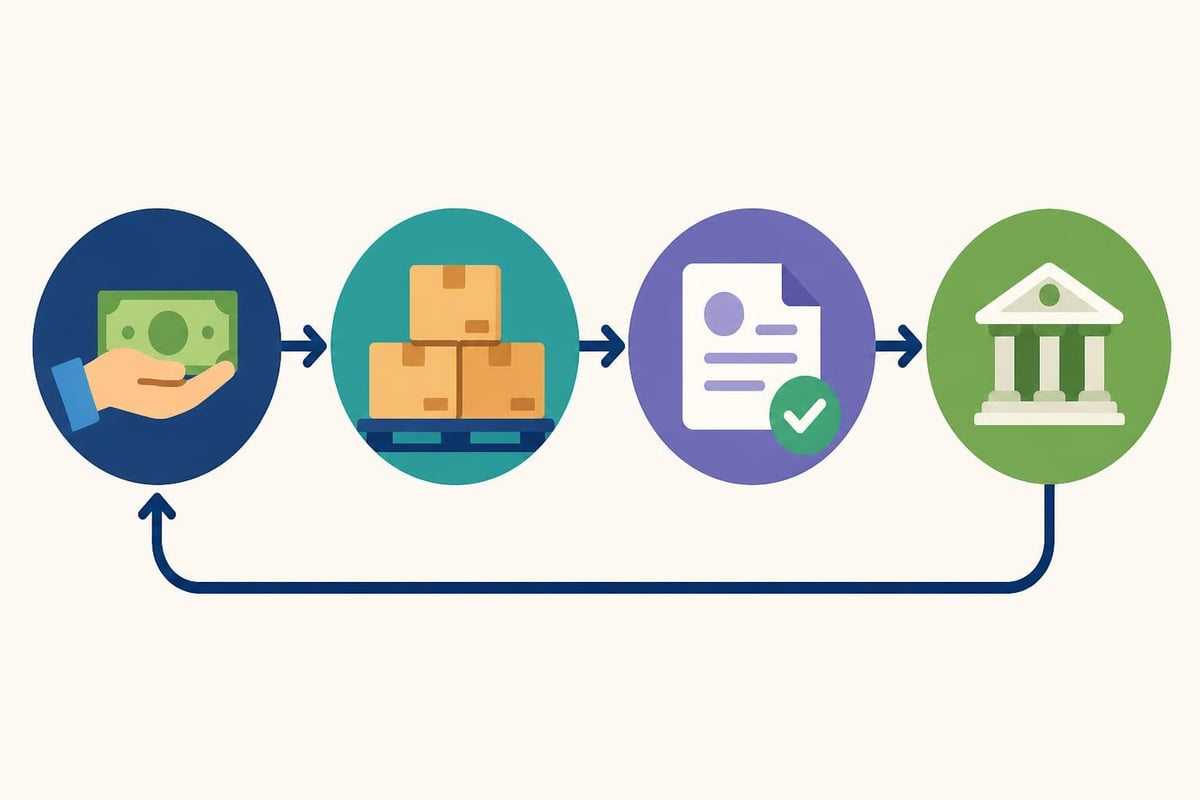
The cash conversion cycle (CCC) measures how quickly a company converts investments in inventory and other resources back into cash through sales. This comprehensive metric combines three key components:
CCC = Days Inventory Outstanding + Days Sales Outstanding - Days Payable Outstanding
A shorter cash conversion cycle indicates more efficient working capital for businesses, as cash moves through the operational cycle more rapidly. Companies should benchmark their CCC against industry peers and historical performance to identify improvement opportunities.
Optimization Techniques for Working Capital
CFO.com discusses various techniques for optimizing working capital, focusing on improving cash flow and operational efficiency. These strategies require coordinated efforts across finance, operations, and sales departments to achieve sustainable results.
Revenue Cycle Improvements
Accelerating cash collection without damaging customer relationships requires a balanced approach. Electronic invoicing systems reduce processing delays and improve accuracy. Automated payment reminders maintain collection discipline while preserving positive customer interactions. Some businesses successfully implement tiered pricing structures that reward faster payment through modest discounts.
Companies should regularly review their cash funding strategies to ensure alignment between revenue cycle performance and overall liquidity needs.
Supply Chain Finance Solutions
Modern supply chain finance programs allow businesses to optimize working capital across the entire value chain. These arrangements enable suppliers to receive early payment (often at a discount) while buyers extend their payment terms. Financial institutions or third-party platforms typically facilitate these programs, creating value for all participants.
Supply chain finance benefits include:
- Improved supplier relationships and stability
- Extended payment terms without harming vendor cash flow
- Potential cost savings through optimized discount structures
- Enhanced supply chain resilience during economic uncertainty
Technology and Automation
Digital tools transform working capital management by improving visibility, reducing processing costs, and enabling faster decision-making. Cloud-based financial systems provide real-time insights into cash positions, receivables aging, and payables schedules. Automated workflows eliminate manual processing delays and reduce errors that can disrupt cash flow.
Companies implementing advanced analytics can forecast working capital needs more accurately, identifying potential shortfalls before they create operational challenges. These predictive capabilities prove especially valuable during periods of rapid growth or economic volatility.
Industry-Specific Considerations
Different sectors face unique working capital challenges based on their operational characteristics, payment norms, and regulatory requirements. Understanding these industry-specific factors helps businesses develop appropriate management strategies.
Manufacturing and Distribution
Capital-intensive industries with significant inventory requirements must carefully balance production efficiency with working capital constraints. Long production cycles and complex supply chains create extended cash conversion cycles. Manufacturers often require substantial working capital to fund raw materials, work-in-progress, and finished goods inventory before collecting customer payments.
Professional Services
Service-based businesses typically maintain lower inventory levels but may face extended receivables cycles, particularly when working with large corporate clients or government entities. Project-based billing creates uneven cash flow patterns that require careful planning and management.
Commodity-Based Industries
Businesses dealing with commodities like precious metals face additional complexity from price volatility. The gold industry exemplifies this challenge, where inventory values fluctuate with market prices while operational cash needs remain constant. Effective exposure risk management becomes essential for maintaining stable working capital positions.
Lender Perspectives on Working Capital
Financial institutions evaluate working capital for businesses as a key indicator of creditworthiness and repayment capacity. Banks and other lenders use working capital metrics to assess loan applications, establish credit limits, and monitor ongoing financial health.
Lending Criteria and Covenants
Commercial lenders frequently include working capital requirements in loan covenants, mandating that borrowers maintain minimum current ratios or net working capital levels. Violating these covenants can trigger default provisions or require immediate repayment, creating severe operational disruptions.
| Working Capital Metric | Typical Lender Expectation | Purpose |
|---|---|---|
| Current Ratio | Minimum 1.2 to 1.5 | Overall liquidity assessment |
| Quick Ratio | Minimum 1.0 | Conservative liquidity measure |
| Net Working Capital | Positive and stable | Absolute liquidity cushion |
| Cash Conversion Cycle | Industry-appropriate | Operational efficiency |
Businesses seeking to enhance their lender readiness should proactively manage these metrics and maintain clear documentation of working capital strategies and performance.
Credit Facility Structuring
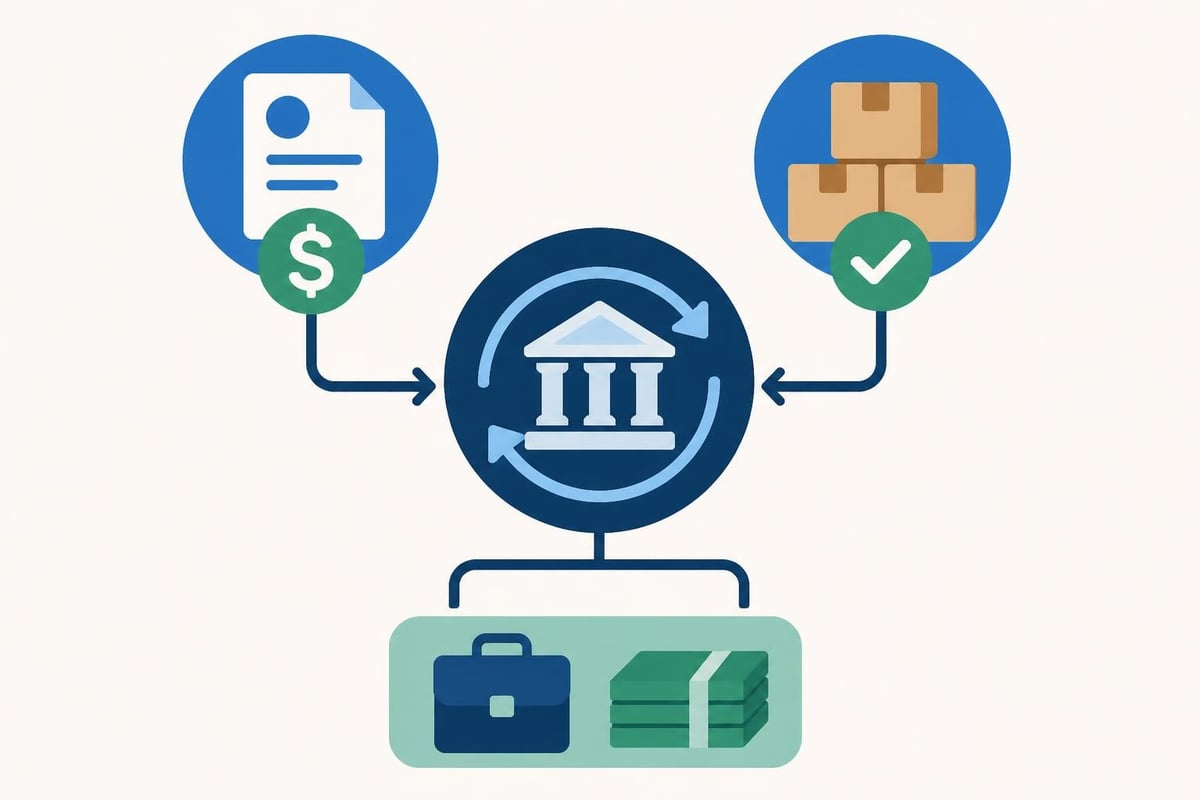
Working capital loans and revolving credit facilities provide flexible funding sources that expand and contract with business needs. These facilities typically tie available credit to specific asset categories, such as a percentage of eligible accounts receivable or inventory values. Understanding how lenders evaluate and structure these facilities enables businesses to negotiate more favorable terms.
Building Financial Resilience Through Working Capital Management
Effective working capital management extends beyond meeting immediate cash needs. It creates operational flexibility that enables businesses to pursue growth opportunities, navigate economic downturns, and build competitive advantages. Companies with strong working capital positions can invest in innovation, expand into new markets, and weather temporary disruptions without resorting to expensive emergency financing.
Scenario Planning and Stress Testing
Forward-thinking organizations regularly stress-test their working capital positions under various scenarios. These exercises identify potential vulnerabilities and inform contingency planning. Scenarios might include rapid growth requiring increased inventory and receivables, economic downturns reducing collections, or supply chain disruptions affecting procurement timing.
Understanding potential risk and risk scenarios helps businesses develop appropriate mitigation strategies before challenges emerge.
Governance and Controls
Robust governance structures ensure consistent working capital management across the organization. Clear policies define credit terms, payment approvals, inventory levels, and cash management procedures. Regular monitoring and reporting provide early warning of deteriorating metrics or emerging risks.
The board of directors and senior management should receive regular working capital reports that highlight trends, explain variances, and propose corrective actions when needed. This oversight ensures that working capital management receives appropriate attention at the highest organizational levels.
Integration With Strategic Planning
Working capital for businesses should not be managed in isolation from broader strategic objectives. Capital allocation decisions, growth plans, and operational improvements all impact and are impacted by working capital availability. Companies that integrate working capital planning into their strategic processes make better-informed decisions and avoid cash constraints that could limit otherwise sound initiatives.
Growth Investment Considerations
Expansion initiatives typically require increased working capital to fund higher inventory levels, extended receivables, and operational infrastructure. Businesses must ensure that growth plans include realistic working capital projections and appropriate funding sources. Underestimating working capital needs during expansion often forces companies to curtail promising initiatives or seek expensive emergency financing.
The relationship between work and capital demonstrates how operational decisions directly impact financial flexibility and long-term sustainability.
Market Cycle Management
Economic cycles create varying working capital demands. During expansions, growing sales volumes increase inventory and receivables needs. Recessions may slow collections and necessitate conservative cash management. Companies that anticipate these cyclical patterns can adjust working capital strategies proactively rather than reactively responding to crises.
Building resilience and risk management capabilities positions businesses to maintain stability across economic cycles.
Continuous Improvement and Monitoring
Working capital optimization requires ongoing attention rather than one-time interventions. Market conditions change, business models evolve, and new technologies create opportunities for improved efficiency. Establishing regular review processes ensures that working capital strategies remain aligned with current needs and opportunities.
Organizations should develop key performance indicators (KPIs) that track working capital efficiency over time. Monthly dashboards highlighting metrics like DSO, DIO (days inventory outstanding), DPO, and the overall cash conversion cycle enable management to identify trends and take corrective action promptly.
Benchmarking against industry peers provides valuable context for evaluating performance. While every business has unique characteristics, significant deviations from industry norms warrant investigation and potential strategy adjustments.
Managing working capital for businesses effectively requires balancing multiple competing priorities while maintaining the financial flexibility necessary for sustainable operations and growth. By implementing structured approaches to receivables, inventory, and payables management, companies strengthen their liquidity positions and build lasting competitive advantages. AurumCrest Advisory brings over 30 years of experience helping businesses enhance their financial resilience through practical corporate finance strategies, lender readiness initiatives, and comprehensive risk solutions tailored to each organization's unique circumstances and objectives.