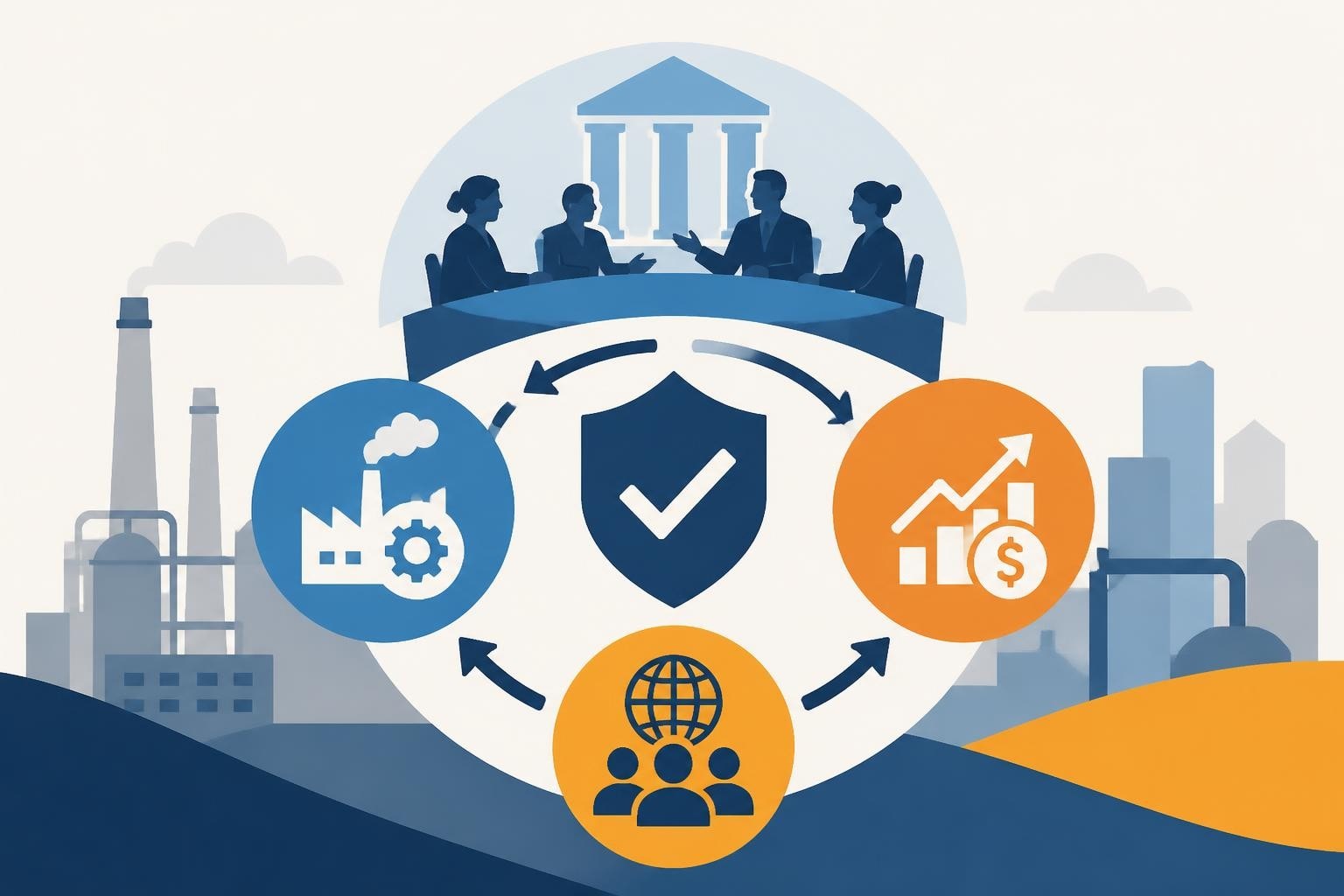
Organizations across all sectors face an increasingly complex landscape of threats that can disrupt operations, erode profitability, and undermine long-term sustainability. Understanding risk in industry requires more than basic awareness-it demands systematic assessment, strategic mitigation, and continuous governance. Whether dealing with commodity price fluctuations, supply chain vulnerabilities, or technological disruptions, industrial organizations must develop robust frameworks that transform potential threats into managed realities. This comprehensive approach to risk management has become essential for maintaining competitive advantage and ensuring organizational resilience in an unpredictable global economy.
The Evolving Nature of Industrial Risk
Risk in industry has fundamentally changed over the past decade. Traditional hazards such as equipment failure and workplace safety remain critical concerns, yet organizations now confront multifaceted challenges spanning cybersecurity, regulatory compliance, geopolitical instability, and climate-related disruptions. The interconnected nature of modern business operations means that a single risk event can cascade across multiple domains, amplifying its impact exponentially.
Manufacturing and industrial sectors face unique vulnerability profiles compared to service-based businesses. Capital-intensive operations, extended supply chains, and complex production processes create numerous points of exposure. Top risks facing industrials and manufacturing organizations include commodity price volatility, supply chain disruptions, and cyber threats, each requiring specialized management approaches.
Financial Risk Dimensions
Financial risks represent a primary concern for industrial enterprises. Currency fluctuations, interest rate movements, and credit availability directly impact operational budgets and strategic investments. Companies with global footprints face additional complexity managing transaction exposure, translation exposure, and economic exposure across multiple jurisdictions.
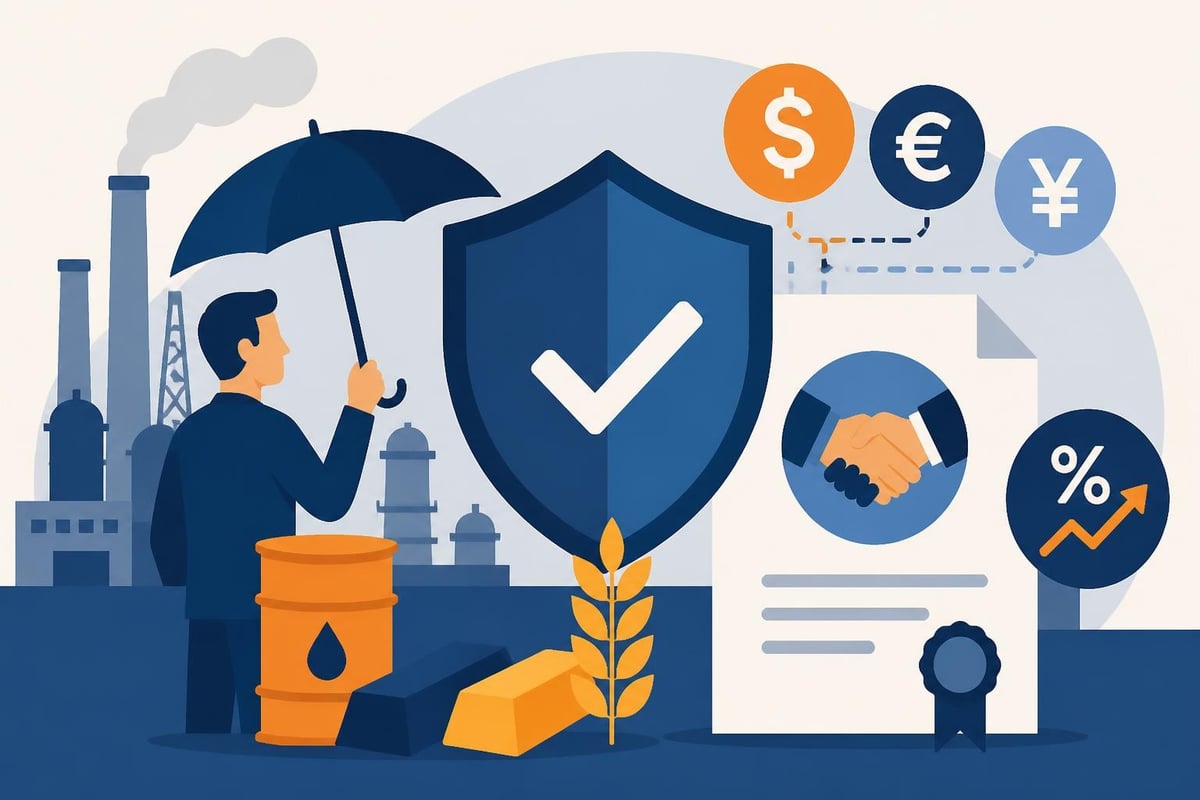
Commodity price risk deserves particular attention within resource-dependent industries. Organizations dependent on raw materials-whether metals, energy, or agricultural inputs-must develop sophisticated hedging strategies to protect margins. Price volatility can quickly transform profitable operations into loss-making ventures without appropriate risk transfer mechanisms.
Liquidity risk poses another critical challenge. Industrial companies typically maintain substantial working capital tied up in inventory, receivables, and ongoing production cycles. Economic downturns or unexpected market shifts can strain cash positions, making proactive liquidity management essential for operational continuity.
Comprehensive Risk Assessment Frameworks
Effective management of risk in industry begins with thorough assessment processes that identify, analyze, and prioritize potential threats. Organizations require structured methodologies that move beyond intuitive judgments toward data-driven evaluations of probability and impact.
Quantitative Assessment Methods
Quantitative approaches assign numerical values to risk likelihood and severity, enabling direct comparison and prioritization. These methods include:
- Value at Risk (VaR): Calculates maximum expected loss over a specified time period at a given confidence level
- Monte Carlo Simulation: Uses probability distributions to model thousands of potential outcomes
- Sensitivity Analysis: Tests how changes in key variables affect business outcomes
- Scenario Planning: Evaluates performance under distinct future states ranging from optimistic to pessimistic
Research on industry risk assessment using hierarchical financial data demonstrates how organizations can integrate market microstructure theory with advanced analytics to refine predictions and improve decision-making accuracy.
| Assessment Method | Best For | Data Requirements | Time Horizon |
|---|---|---|---|
| Value at Risk | Market/Financial Risks | Historical price data | Short to medium term |
| Monte Carlo | Complex multi-variable scenarios | Probability distributions | Any timeframe |
| Sensitivity Analysis | Identifying key drivers | Baseline assumptions | Medium term |
| Scenario Planning | Strategic uncertainties | Expert judgment + data | Long term |
Qualitative Assessment Techniques
Not all risks lend themselves to numerical quantification. Emerging threats, reputational concerns, and strategic uncertainties often require qualitative evaluation methods. Workshop-based approaches bringing together cross-functional expertise can identify blind spots that purely analytical methods might miss.
The Delphi method provides a structured framework for gathering expert opinions anonymously, reducing groupthink and hierarchical bias. Participants evaluate risks independently, receive aggregated feedback, and revise their assessments through multiple rounds until consensus emerges.
Failure Modes and Effects Analysis (FMEA) offers another valuable qualitative tool. By systematically examining how processes or systems might fail, organizations can assess component failure modes and calculate risk priority numbers based on severity, occurrence probability, and detection difficulty.
Operational Risk Management
Operational dimensions of risk in industry encompass the processes, systems, and human factors that enable production and service delivery. These risks manifest through equipment failures, quality defects, safety incidents, and process inefficiencies.
Industrial Control System Security
Modern manufacturing relies heavily on Industrial Control Systems (ICS) that monitor and control physical processes. These systems have become increasingly connected to enterprise networks and the internet, creating cybersecurity vulnerabilities that didn't exist in isolated legacy environments.
Organizations must perform ICS risk assessments that account for both physical and digital threats. Assessment phases should include asset inventory, threat modeling, vulnerability identification, and control evaluation. Unlike IT systems that can tolerate brief downtime for patching, ICS often requires continuous operation, necessitating alternative security strategies.
Supply Chain Vulnerabilities
Global supply chains introduce dependencies that extend risk exposure far beyond organizational boundaries. Single-source suppliers, geographically concentrated production, and just-in-time inventory practices optimize efficiency but reduce resilience. Recent disruptions have highlighted the fragility of extended supply networks.
Effective supply chain risk management requires:
- Comprehensive mapping of all tiers, identifying critical dependencies
- Supplier financial health monitoring to anticipate potential failures
- Geographic diversification to reduce concentration risk
- Strategic inventory positioning balancing efficiency with buffer capacity
- Alternative sourcing development for critical inputs
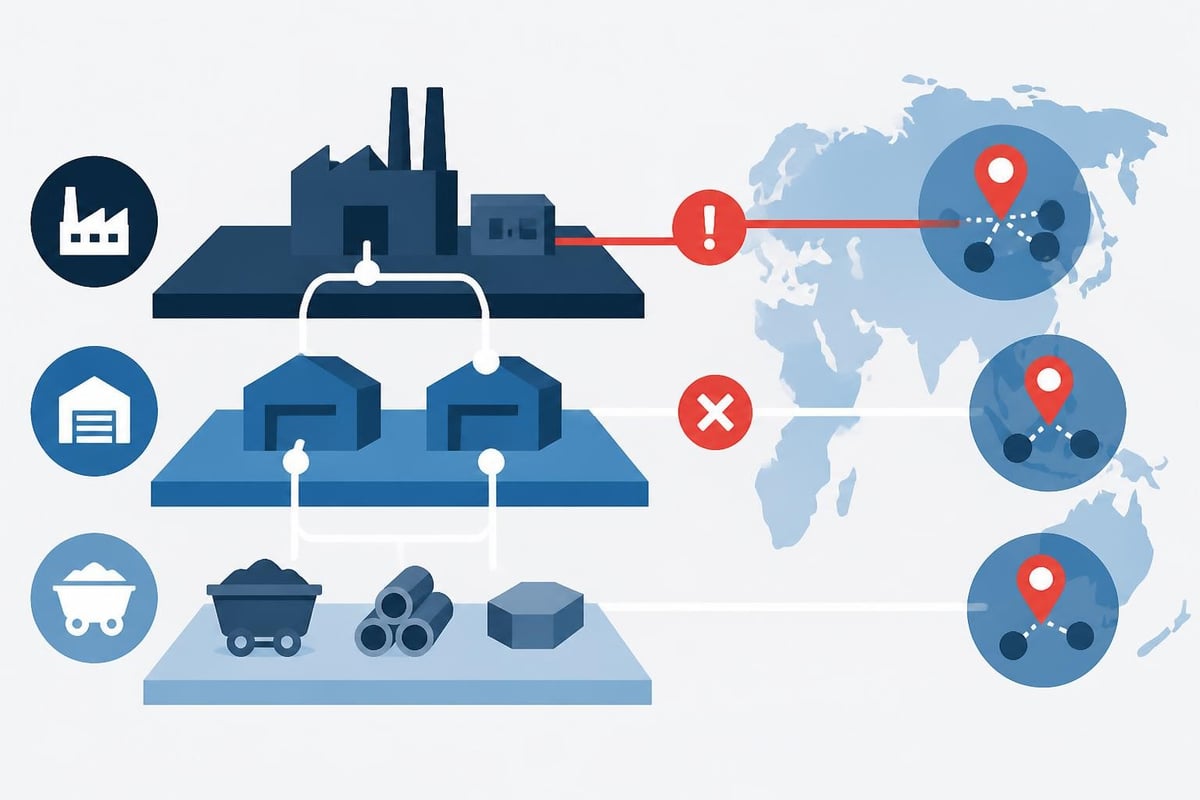
Organizations should develop contingency plans for high-impact scenarios, including supplier bankruptcies, transportation disruptions, and geopolitical restrictions. Regular stress testing validates plan effectiveness and identifies gaps before crises occur.
Strategic and Market Risks
Beyond operational concerns, risk in industry extends to strategic positioning and market dynamics. Technological disruption, competitive threats, and changing customer preferences can fundamentally alter industry economics, rendering established business models obsolete.
Competitive Disruption
Incumbent organizations often struggle to recognize disruptive threats until market positions have eroded significantly. New entrants unencumbered by legacy infrastructure can adopt innovative technologies and business models more readily. Established players must balance optimizing current operations while investing in future capabilities.
Scenario analysis provides valuable insight into potential disruption pathways. By envisioning alternative futures shaped by technological, regulatory, and market forces, organizations can identify strategic options that remain viable across multiple scenarios rather than optimizing for a single predicted outcome.
Regulatory and Compliance Risk
Industrial sectors face extensive regulatory requirements covering environmental protection, worker safety, product standards, and financial reporting. Compliance failures generate direct penalties, but reputational damage and operational restrictions often impose greater long-term costs.
Regulatory landscapes continue evolving, particularly around environmental, social, and governance (ESG) dimensions. Organizations must monitor emerging requirements and assess their implications proactively rather than reactively adapting to new mandates.
| Risk Category | Key Indicators | Mitigation Strategies | Monitoring Frequency |
|---|---|---|---|
| Technology Disruption | R&D spending ratios, patent activity | Innovation partnerships, venture investments | Quarterly |
| Competitive Position | Market share trends, pricing power | Differentiation strategies, cost optimization | Monthly |
| Regulatory Change | Policy proposals, industry consultations | Advocacy participation, compliance audits | Ongoing |
| Customer Preferences | Net promoter scores, complaint trends | Customer research, product adaptation | Continuous |
Governance and Risk Culture
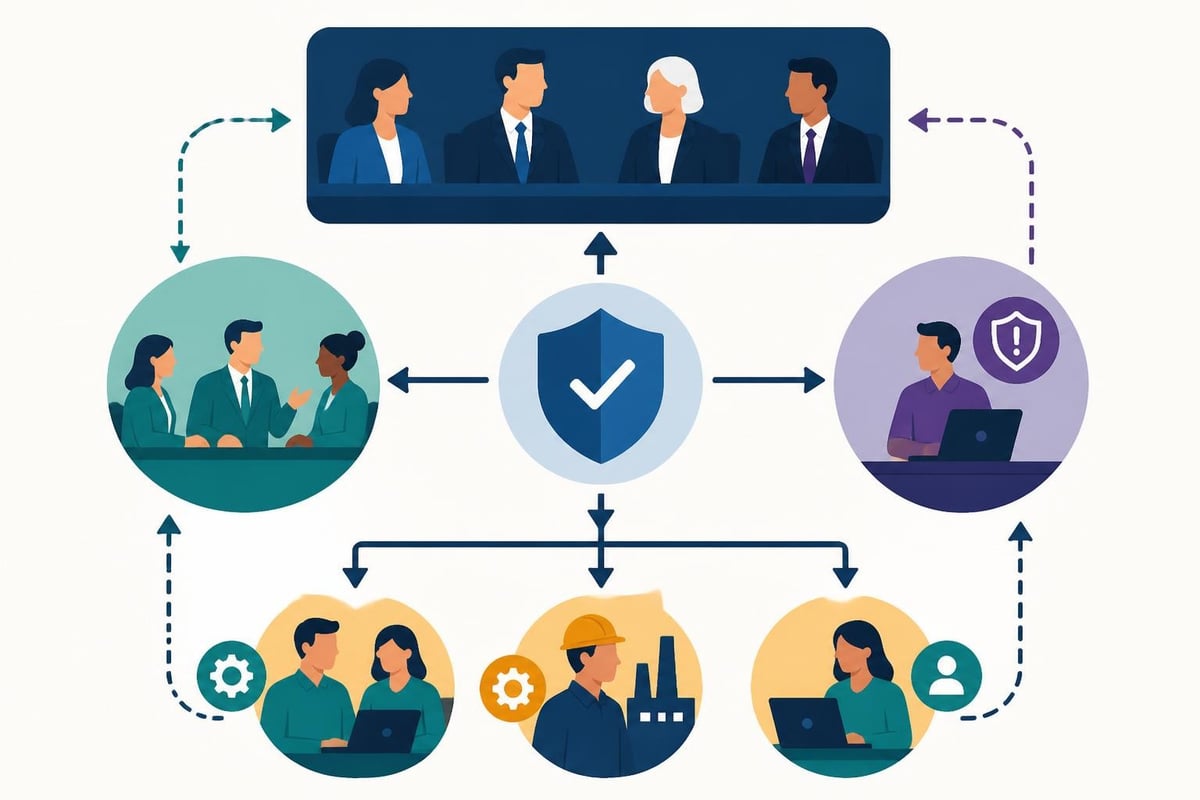
Effective management of risk in industry requires more than technical expertise-it demands governance structures and organizational cultures that embed risk awareness throughout decision-making processes. Responsibility cannot rest solely with specialized risk functions; every employee must understand their role in identifying and managing threats.
Board-Level Oversight
Boards of directors bear ultimate accountability for risk governance. Effective boards move beyond passive monitoring toward active engagement with risk strategies, challenging management assumptions and ensuring adequate resources support risk management activities.
Risk committees provide dedicated forums for in-depth examination of major exposures and mitigation strategies. These committees should receive regular reporting on key risk indicators, significant incidents, and emerging threats. Committee composition should balance industry expertise with fresh perspectives that question conventional thinking.
Enterprise Risk Management Integration
Siloed risk management creates blind spots where threats fall between departmental boundaries. Enterprise Risk Management (EPS) frameworks integrate diverse risk types within unified governance structures, enabling organizations to understand correlations and cumulative exposures.
Successful ERM implementation requires:
- Clear risk appetite statements defining acceptable exposure levels
- Consistent risk assessment methodologies enabling comparison across business units
- Integrated reporting providing leadership with consolidated risk profiles
- Defined escalation protocols ensuring critical issues receive appropriate attention
- Regular capability assessments evaluating risk management effectiveness
Organizations like AurumCrest Advisory specialize in helping companies develop governance frameworks that strengthen financial resilience while maintaining operational flexibility.
Building Risk-Aware Culture
Technical frameworks prove ineffective without supportive organizational culture. Risk-aware cultures balance opportunity pursuit with prudent threat management, encouraging transparent communication about concerns without penalizing bearers of bad news.
Leadership behavior establishes cultural tone. When executives acknowledge uncertainties, discuss risk-return tradeoffs explicitly, and reward thoughtful risk-taking even when outcomes disappoint, they signal that intelligent risk management matters more than avoiding all failures.
Advanced Risk Mitigation Techniques
Once organizations identify and assess risks, they must implement appropriate responses. Risk in industry demands sophisticated mitigation strategies that align with organizational risk appetite and resource constraints.
Risk Transfer Mechanisms
Insurance represents the most familiar risk transfer mechanism, converting uncertain losses into predictable premium payments. Industrial organizations should evaluate coverage across property damage, business interruption, liability, and specialized exposures unique to their operations.
Beyond traditional insurance, alternative risk transfer methods offer additional options. Captive insurance companies provide greater control and potential cost savings for organizations with sufficient scale. Parametric insurance triggers payouts based on objective measures rather than actual losses, accelerating claims resolution.
Contractual risk transfer shifts exposures to counterparties better positioned to manage them. Well-drafted agreements allocate risks to parties with superior control, expertise, or risk appetite. Hold harmless clauses, indemnification provisions, and performance guarantees all serve risk allocation functions.
Hedging Strategies
Financial hedging protects against adverse price movements in commodities, currencies, and interest rates. Derivatives including futures, options, and swaps allow organizations to lock in prices or establish protective floors.
Effective hedging requires clear objectives. Should programs eliminate volatility entirely or preserve upside participation while limiting downside exposure? Different instruments suit different goals:
- Futures contracts: Lock in fixed prices but eliminate beneficial movements
- Put options: Establish price floors while preserving upside potential
- Collar strategies: Balance cost against protection by combining puts and calls
- Forward contracts: Customize terms for specific exposures
Natural hedging provides an alternative or complement to financial instruments. By matching revenue and cost exposures-such as locating production facilities in markets where products are sold-organizations reduce net exposure without derivative costs.
Risk Monitoring and Continuous Improvement
Risk management demands ongoing attention rather than periodic exercises. Risk profiles evolve continuously as internal operations change and external environments shift. Organizations require monitoring systems that detect emerging threats and track mitigation effectiveness.
Key Risk Indicators
Key Risk Indicators (KRIs) function as early warning systems, signaling when exposures approach unacceptable levels. Effective KRIs provide actionable insights with sufficient lead time for corrective action. Lagging indicators confirm problems but offer limited preventive value.
Industry-specific KRIs might include equipment maintenance backlogs, supplier payment delays, inventory turnover rates, or safety incident frequencies. Financial KRIs track metrics like debt coverage ratios, working capital days, and covenant compliance margins.
Dashboard reporting consolidates KRIs into executive-friendly formats that highlight exceptions requiring attention. Automated alerts ensure critical threshold breaches receive immediate visibility rather than awaiting scheduled reporting cycles.
Lessons Learned Processes
Every incident, near-miss, and risk event offers learning opportunities. Structured post-incident reviews identify root causes, evaluate response effectiveness, and capture insights for process improvement. Blame-free investigation cultures encourage honest analysis rather than defensive posturing.
Organizations should document lessons in accessible knowledge repositories and incorporate findings into training programs. Research on dynamic systems for forecasting and minimizing risks emphasizes systematic approaches to risk classification and continuous refinement of assessment methods based on emerging patterns.
Stress Testing and Scenario Updates
Annual risk assessments quickly become outdated as conditions change. Regular stress testing evaluates organizational resilience under extreme but plausible scenarios. By modeling responses to severe market downturns, supply disruptions, or operational failures, companies identify vulnerabilities requiring attention.
Scenario libraries require periodic refresh to reflect evolving threat landscapes. Risks that seemed remote years ago-global pandemics, sustained supply chain disruptions, major cybersecurity incidents-have materialized, demonstrating the importance of considering low-probability, high-impact events.
Specialized Considerations for Financial Advisory Contexts
Organizations providing financial advisory services face unique dimensions of risk in industry that extend beyond their direct operations to encompass client relationships, regulatory obligations, and professional liability exposures.
Fiduciary Responsibilities
Advisory firms bear fiduciary duties requiring them to prioritize client interests, disclose conflicts, and provide advice meeting professional standards. Breaches expose organizations to regulatory sanctions, civil liability, and reputational damage that can prove devastating in trust-dependent businesses.
Robust compliance programs, comprehensive documentation, and regular training mitigate fiduciary risk. Clear engagement agreements establish scope, responsibilities, and limitations. Professional liability insurance provides financial protection against claims, though reputational consequences often exceed direct financial costs.
Concentration Risk
Advisory businesses commonly develop revenue concentration across limited client relationships, industry sectors, or service lines. While specialization enables expertise development, it creates vulnerability to client losses, sector downturns, or service commoditization.
Diversification strategies balance concentration risk against specialization benefits. Geographic expansion, service line development, and deliberate client portfolio management reduce dependence on narrow revenue sources.
Knowledge and Key Person Risk
Professional service firms depend heavily on individual expertise and client relationships. Departure of key personnel can disrupt service delivery and trigger client attrition. Succession planning, knowledge management systems, and team-based relationship models reduce key person dependencies.
Documentation of methodologies, client histories, and analytical frameworks ensures continuity despite personnel changes. Cross-training and collaborative work structures distribute knowledge more broadly across organizations.
Managing risk in industry requires comprehensive frameworks that identify exposures, assess their significance, implement appropriate mitigations, and monitor effectiveness continuously. Organizations that embed risk awareness throughout their cultures and governance structures position themselves to navigate uncertainty while pursuing strategic objectives confidently. For businesses seeking to strengthen their financial resilience and risk management capabilities, partnering with experienced advisors provides valuable perspective and practical execution support-AurumCrest Advisory combines decades of corporate finance expertise with specialized knowledge in developing governance frameworks that transform risk from threat into competitive advantage.