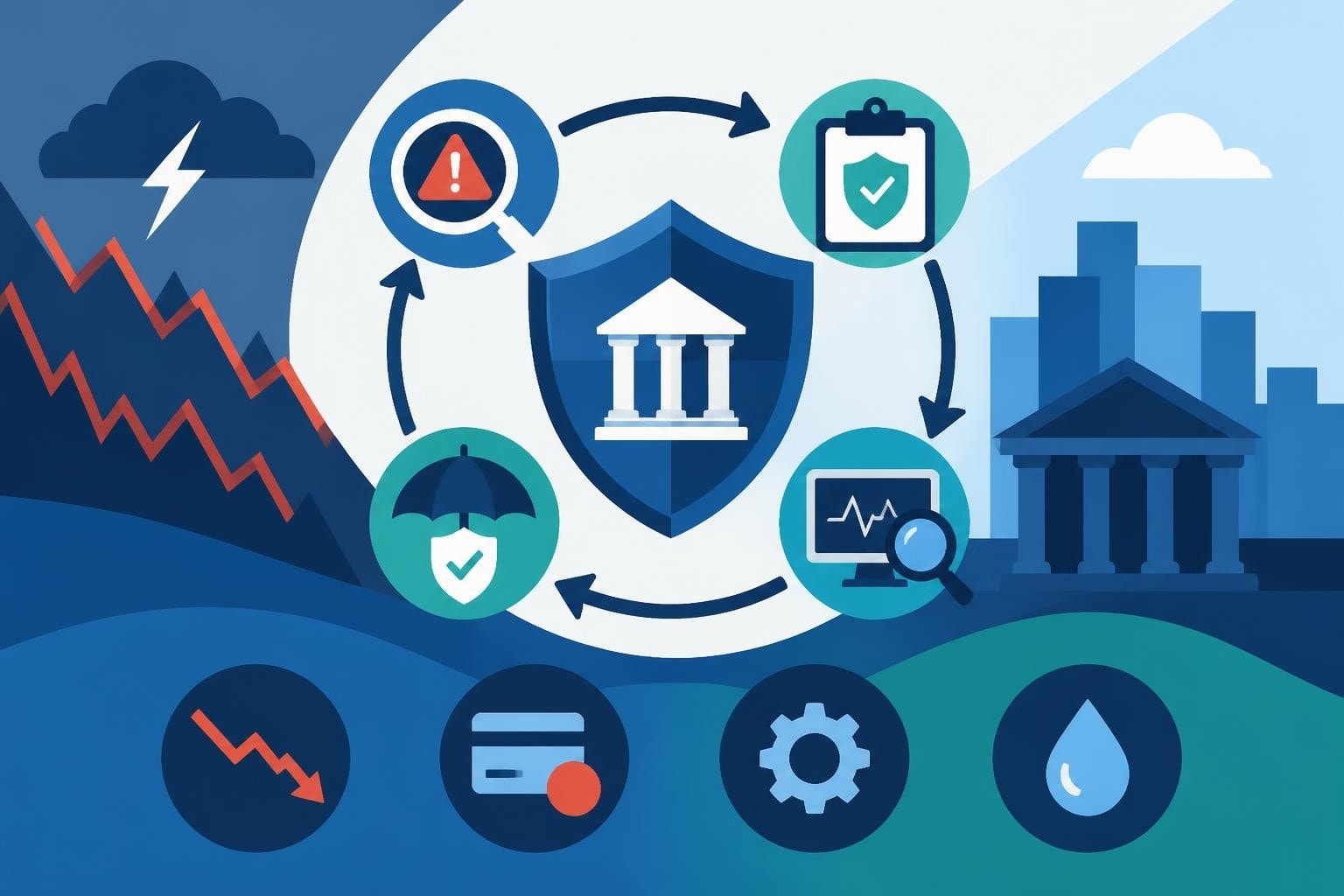
In today's volatile financial landscape, corporations face an unprecedented array of threats to their stability and growth. Market fluctuations, regulatory changes, commodity price swings, and operational disruptions can quickly erode value and compromise strategic objectives. Risk control has emerged as a critical discipline that separates resilient organizations from those vulnerable to financial shocks. For companies operating in sectors with specialized exposures, such as the gold industry, implementing robust risk control measures represents the difference between weathering uncertainty and facing existential challenges. Understanding how to systematically identify, measure, and mitigate risks while maintaining operational agility has become essential for financial executives, board members, and business leaders committed to sustainable performance.
The Foundation of Effective Risk Control
Risk control encompasses the systematic processes, policies, and procedures organizations implement to reduce the probability and impact of adverse events. Unlike risk management, which focuses broadly on identifying and assessing risks, risk control specifically addresses the mitigation and monitoring activities that protect organizational value.
At its core, effective risk control requires three fundamental components: comprehensive risk identification, accurate risk measurement, and disciplined mitigation strategies. Organizations must first understand their complete risk landscape before implementing controls that address their specific vulnerabilities.
Building a Risk Control Framework
A structured framework provides the architecture for consistent, repeatable risk control across an organization. This framework should align with corporate strategy while remaining flexible enough to adapt to changing circumstances.
Key elements of a robust risk control framework include:
- Clear governance structures defining accountability and decision-making authority
- Standardized processes for identifying and evaluating emerging risks
- Established risk tolerance levels and escalation procedures
- Regular monitoring and reporting mechanisms
- Integration with strategic planning and capital allocation decisions
The most effective frameworks balance formality with practicality. Overly bureaucratic systems create compliance burdens without delivering meaningful protection, while informal approaches leave critical exposures unaddressed. Organizations should tailor their risk control framework to their size, complexity, and industry dynamics.
Financial Risk Control in Corporate Settings
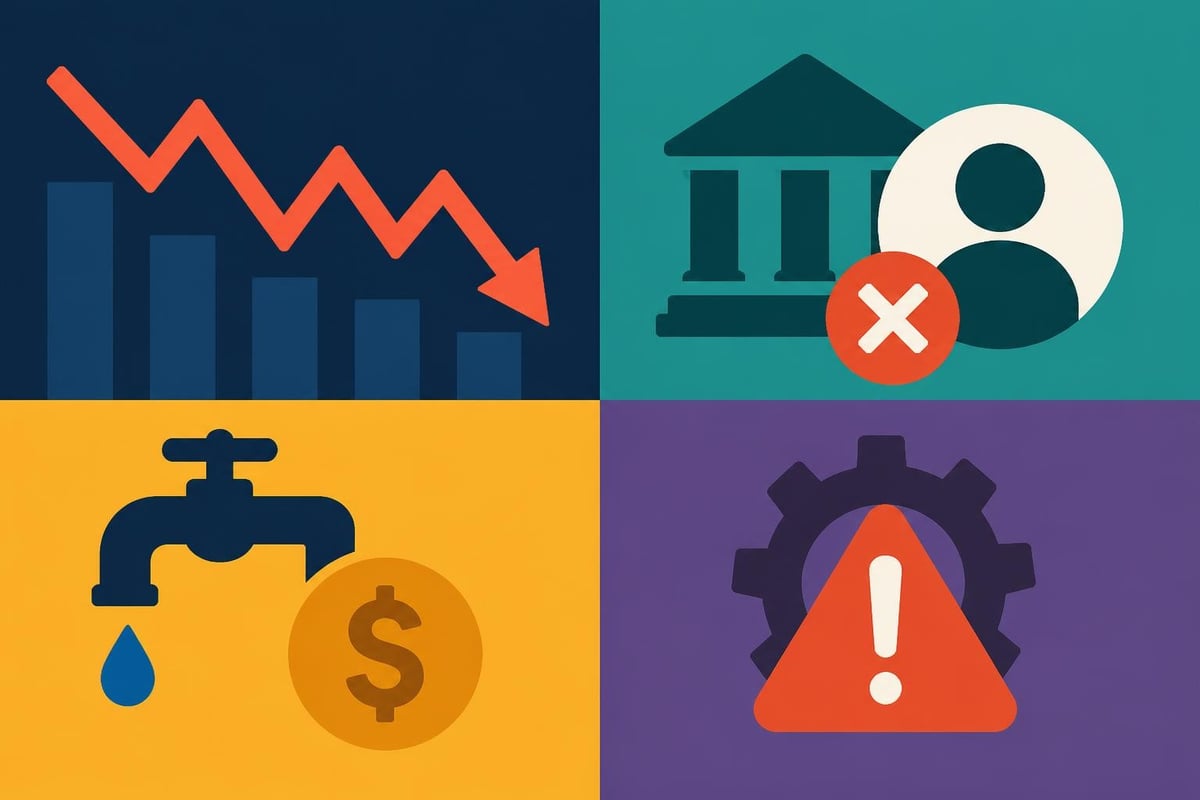
Financial institutions and corporations face distinct categories of risk that require specialized control approaches. Understanding risk and its implications helps organizations prioritize their control investments and allocate resources effectively.
Market Risk Controls
Market risk stems from adverse movements in prices, interest rates, exchange rates, and commodity values. For gold industry participants, price volatility represents a significant exposure that demands sophisticated control measures.
Effective market risk control strategies include:
- Hedging programs that use derivatives to offset exposure to price movements
- Position limits that cap maximum exposure to any single market factor
- Scenario analysis testing portfolio performance under extreme market conditions
- Value-at-risk (VaR) calculations quantifying potential losses at specified confidence levels
- Regular stress testing evaluating resilience to historical and hypothetical shocks
Organizations should document their market risk appetite explicitly, establishing clear boundaries for acceptable exposure levels. This documentation guides daily trading and investment decisions while providing objective criteria for escalating concerns to senior management.
Credit and Counterparty Risk Management
Credit risk arises when counterparties fail to meet their financial obligations. This exposure affects not only lending institutions but any organization extending payment terms, entering derivative contracts, or maintaining significant receivables.
| Control Measure | Purpose | Implementation |
|---|---|---|
| Credit limits | Cap exposure to individual counterparties | Tiered approval based on creditworthiness |
| Collateral requirements | Reduce loss given default | Negotiate security agreements upfront |
| Credit monitoring | Identify deteriorating counterparties early | Regular financial review and rating updates |
| Diversification standards | Prevent concentration risk | Maximum percentage of capital per counterparty |
Strong credit risk control requires ongoing vigilance. Financial conditions change rapidly, and yesterday's strong counterparty may become tomorrow's default risk. Regular reviews of counterparty creditworthiness should occur at least quarterly for material exposures.
Liquidity Risk Control Mechanisms
Liquidity risk threatens an organization's ability to meet cash obligations when they come due. This risk became painfully apparent during the 2008 financial crisis and the 2020 pandemic disruption. Effective cash funding strategies form the backbone of liquidity risk control.
Prudent liquidity risk control includes maintaining adequate cash reserves, diversifying funding sources, and projecting cash flows under various scenarios. Organizations should establish minimum liquidity requirements based on their operating needs, planned capital expenditures, and potential stress scenarios.
Critical liquidity metrics to monitor:
- Current ratio and quick ratio for short-term solvency
- Cash conversion cycle measuring working capital efficiency
- Debt maturity schedules identifying refinancing requirements
- Committed credit facilities providing emergency funding access
- Liquidity coverage ratio for financial institutions
The relationship between working capital and business resilience demonstrates how liquidity risk control supports operational stability. Companies with strong liquidity positions can capitalize on opportunities and navigate disruptions without desperate measures.
Operational Risk Control Systems
Operational risks emerge from inadequate or failed internal processes, people, systems, or external events. These risks span a broad spectrum, from cybersecurity threats to employee fraud to natural disasters disrupting operations.
Process Controls and Internal Governance
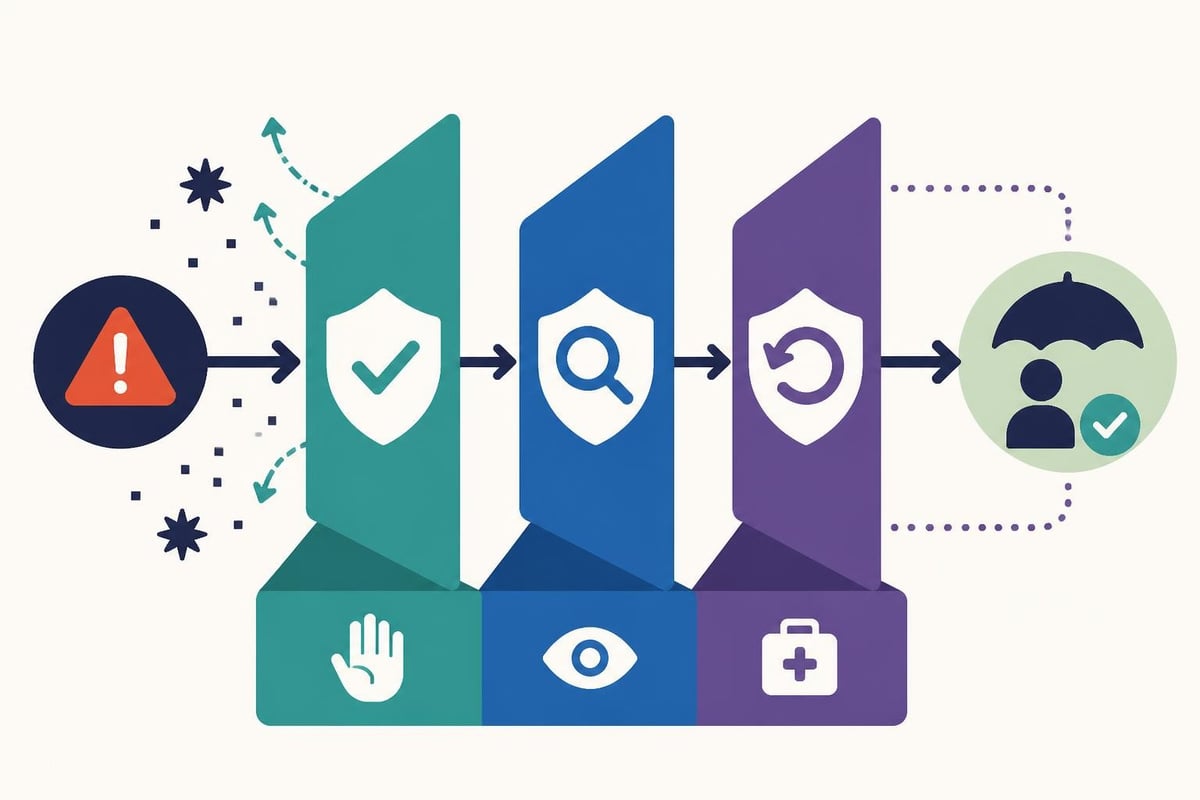
Strong internal controls create the foundation for operational risk mitigation. These controls should address authorization, documentation, segregation of duties, and reconciliation across all significant business processes.
Organizations should implement formal policies governing critical activities such as cash disbursements, contract approval, data access, and financial reporting. These policies translate risk appetite into specific operational requirements.
Regular internal audits test control effectiveness and identify gaps before they result in losses. The audit function should maintain independence from operational management, reporting directly to the audit committee or board. This independence ensures objective assessment of control environments.
Technology and Cybersecurity Controls
Digital transformation has expanded operational risk surfaces dramatically. Cybersecurity incidents can compromise sensitive data, disrupt operations, and damage reputation. Risk control in the technology domain requires constant evolution as threat actors develop new attack methods.
Fundamental technology controls include network segmentation, access management, encryption, regular security testing, and incident response planning. Organizations should implement multi-factor authentication for access to critical systems and maintain current backups stored offline to protect against ransomware.
The human element remains the weakest link in many technology environments. Regular security awareness training helps employees recognize phishing attempts, social engineering tactics, and suspicious activities. Testing programs that simulate attacks measure training effectiveness and identify areas requiring additional education.
Industry-Specific Risk Control Considerations
Different industries face unique risk profiles requiring specialized control approaches. The gold industry presents distinctive challenges around commodity price exposure, supply chain security, regulatory compliance, and environmental considerations.
Gold Industry Risk Control
Companies operating in gold mining, refining, trading, or investment face concentrated exposure to gold price volatility. This exposure creates both opportunity and risk that demands careful control.
Effective risk control for gold industry participants includes:
- Establishing clear hedging policies that define when and how to use derivatives
- Implementing physical security controls protecting valuable inventory
- Maintaining robust assay and quality control processes
- Managing environmental and social governance (ESG) risks
- Monitoring regulatory developments across multiple jurisdictions
The complexity of gold industry operations requires specialized advisory services that understand both financial risk management and operational realities. Generic risk control approaches often miss industry-specific vulnerabilities.
Regulatory and Compliance Risk
Regulatory requirements continue expanding across industries, particularly in financial services. Non-compliance can result in penalties, operational restrictions, and reputational damage that far exceed direct fines.
| Compliance Area | Key Controls | Monitoring Frequency |
|---|---|---|
| Anti-money laundering | Customer due diligence, transaction monitoring | Continuous |
| Financial reporting | Disclosure controls, SOX compliance | Quarterly |
| Environmental regulations | Permits, emissions monitoring | Monthly |
| Data privacy | Consent management, breach protocols | Continuous |
Compliance risk control requires staying current with regulatory changes and interpreting how new requirements apply to specific business activities. Organizations should maintain relationships with regulatory bodies and participate in industry associations to anticipate emerging requirements.
Integrating Risk Control with Strategic Planning
The most sophisticated organizations integrate risk control directly into strategic planning and capital allocation decisions. This integration ensures that risk-informed decision making shapes corporate direction rather than merely reacting to identified threats.
Risk-Adjusted Performance Measurement
Traditional performance metrics often ignore the risks assumed to generate returns. Risk-adjusted measures provide more meaningful assessments by incorporating both returns and the volatility or exposure required to achieve them.
Common risk-adjusted metrics include return on risk-adjusted capital (RORAC), Sharpe ratio, and economic value added (EVA). These measures help organizations compare opportunities with different risk profiles and allocate capital to initiatives offering the best risk-adjusted returns.
Scenario Planning and Stress Testing
Scenario planning explores how different future conditions might affect organizational performance and strategy. This forward-looking approach complements historical analysis by considering events that haven't occurred but remain plausible.
Effective scenario planning examines multiple dimensions simultaneously, such as commodity prices, economic growth, competitive dynamics, and regulatory changes. Organizations should develop responses for each scenario, identifying early warning indicators and trigger points for implementing contingency plans.
Stress testing pushes scenarios to extremes, evaluating resilience under severe but plausible conditions. Regular stress testing builds confidence in risk controls and reveals vulnerabilities requiring additional mitigation.
Governance and Organizational Culture
Risk control effectiveness depends ultimately on organizational culture and tone from the top. The most comprehensive policies and sophisticated systems fail when leadership doesn't demonstrate commitment to risk discipline.
Board-Level Risk Oversight
Boards of directors bear ultimate responsibility for risk governance, establishing appetite, approving frameworks, and monitoring management's risk control activities. Effective boards dedicate regular meeting time to risk discussions beyond routine compliance updates.
Many organizations establish dedicated risk committees at the board level to provide focused oversight. These committees typically meet quarterly to review risk reports, discuss emerging threats, and evaluate control effectiveness. The committee composition should include directors with relevant risk management expertise.
Building Risk-Aware Culture
Culture shapes how employees at all levels perceive and respond to risks. Organizations with strong risk cultures encourage open discussion of concerns, reward prudent risk management, and avoid punishing messengers who raise uncomfortable issues.
Elements of a strong risk control culture:
- Clear communication of risk appetite and tolerance from leadership
- Alignment of incentive compensation with risk-adjusted performance
- Regular training on risk identification and control responsibilities
- Transparent reporting of risk incidents and lessons learned
- Recognition for effective risk management, not just revenue generation
Cultural transformation requires sustained effort over years, not quick-fix initiatives. Leadership must consistently demonstrate that risk control matters through resource allocation, promotion decisions, and response to control breakdowns.
Measuring Risk Control Effectiveness
Organizations must evaluate whether their risk control investments deliver intended protection. This evaluation requires both quantitative metrics and qualitative assessments.
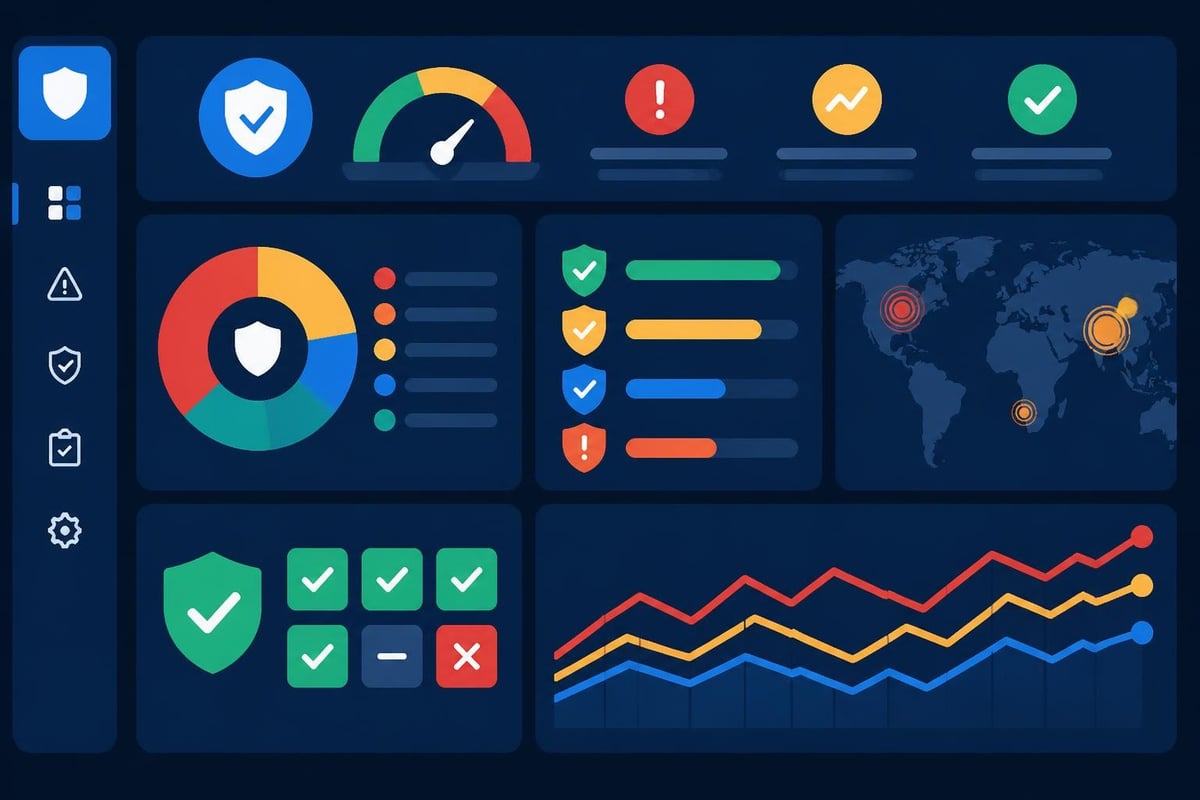
Key performance indicators (KPIs) for risk control include control testing results, incident frequency and severity, near-miss reporting rates, time to detect and respond to incidents, and cost of controls relative to risk reduction achieved. These metrics should be tracked over time to identify trends and benchmark against industry standards.
Regular control self-assessments by business units supplement formal audits, creating accountability for risk control at the operational level. These assessments identify control gaps early and promote continuous improvement.
External validation through third-party assessments provides objective evaluation of control environments. Many organizations engage independent reviewers to test controls, benchmark practices, and recommend enhancements based on industry developments.
Advanced Risk Control Techniques
As risk control capabilities mature, organizations can implement more sophisticated approaches that provide enhanced protection and competitive advantage.
Predictive Analytics and Risk Modeling
Advanced analytics enable organizations to identify emerging risks earlier and quantify exposures more precisely. Machine learning algorithms can detect patterns in transaction data signaling fraud, predict customer default probability, or forecast commodity price movements.
Investment in analytics capabilities requires balancing sophistication with practicality. Complex models that few understand may not be used effectively in decision-making. Organizations should develop analytics aligned with their risk profile and ensure relevant stakeholders can interpret and act on model outputs.
Integrated Risk Management Platforms
Technology platforms that consolidate risk data, automate monitoring, and streamline reporting enhance control effectiveness while reducing manual effort. These platforms provide real-time visibility into exposures across the organization and facilitate rapid response to emerging threats.
When evaluating risk management technology, organizations should prioritize integration with existing systems, user adoption, and reporting flexibility. The most feature-rich platform delivers limited value if employees find it too complex to use consistently.
The evolution of resilience and risk management demonstrates how leading organizations are moving beyond reactive risk control toward proactive resilience building that anticipates disruptions and maintains operational continuity.
Effective risk control separates organizations that thrive through uncertainty from those constantly reacting to crises. By implementing structured frameworks, maintaining disciplined processes, and fostering risk-aware cultures, companies can protect value while pursuing growth opportunities. AurumCrest Advisory combines deep corporate finance expertise with specialized gold industry knowledge to help organizations build practical risk control systems tailored to their unique exposures. With over three decades of experience translating strategic risk thinking into operational reality, we partner with clients to enhance financial resilience, strengthen governance, and achieve sustainable performance in volatile markets.