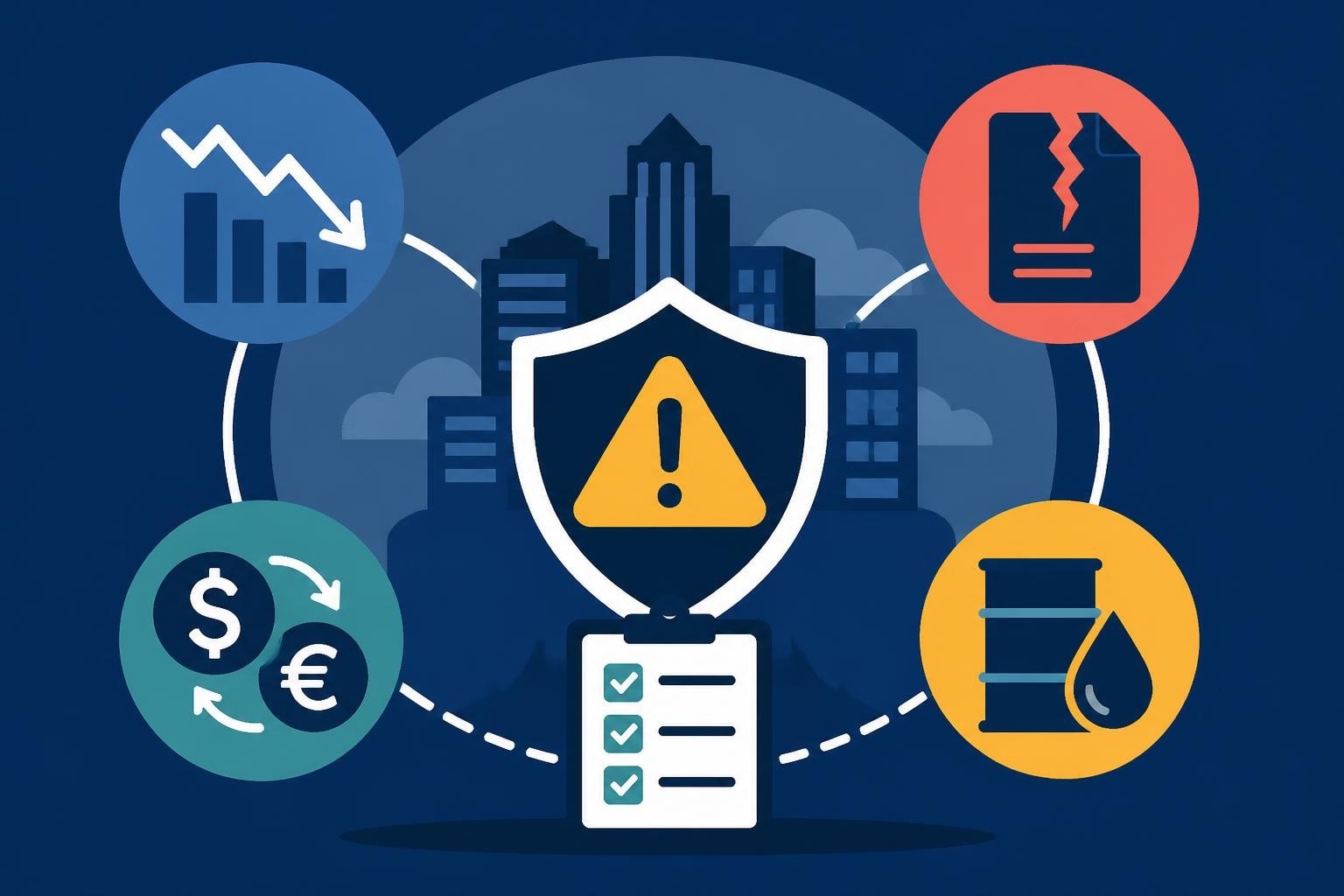
In today's volatile financial landscape, corporations face an increasingly complex array of threats to their capital structure, operational stability, and strategic objectives. Understanding and managing exposure risk has become a critical competency for financial leaders who seek to protect shareholder value while positioning their organizations for sustainable growth. Whether driven by market volatility, credit uncertainties, operational dependencies, or industry-specific challenges, exposure risk represents the potential for financial loss arising from various business activities and external factors that can significantly impact a company's bottom line.
Defining Exposure Risk in Corporate Finance
Exposure risk encompasses the potential for financial loss or adverse impacts resulting from a company's vulnerability to various internal and external factors. This comprehensive concept of financial exposure extends beyond simple market fluctuations to include credit relationships, operational dependencies, and strategic positioning decisions.
At its core, exposure risk quantifies how much a company stands to lose if specific adverse events occur. This measurement becomes essential for corporate treasurers, CFOs, and board members who must allocate capital efficiently while maintaining adequate buffers against potential losses.
The Multi-Dimensional Nature of Financial Exposure
Financial exposure manifests across several critical dimensions that demand distinct management approaches:
- Market exposure: Vulnerability to price changes in equities, bonds, commodities, and other tradable assets
- Credit exposure: Risk of loss from counterparty defaults or deteriorating creditworthiness
- Currency exposure: Potential losses from exchange rate fluctuations affecting international operations
- Interest rate exposure: Impact of changing borrowing costs on debt obligations and investment returns
- Operational exposure: Dependencies on suppliers, customers, or processes that create financial vulnerability
Each dimension requires specialized analysis and tailored mitigation strategies. Companies operating in the gold industry, for instance, face pronounced commodity price exposure that directly affects revenue projections and asset valuations.
Measuring and Quantifying Exposure Risk
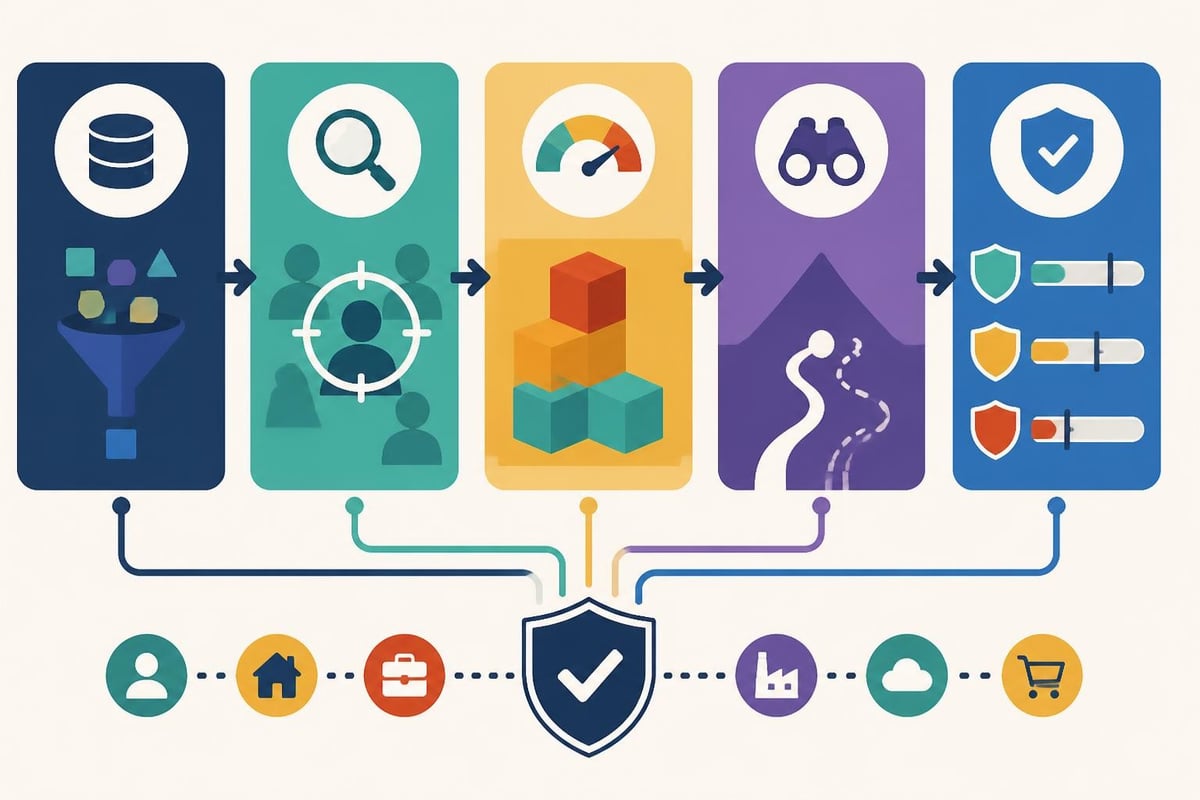
Effective exposure risk management begins with accurate measurement. Financial professionals employ various methodologies to quantify potential losses and establish appropriate risk tolerances.
Key Measurement Approaches
Value at Risk (VaR) represents one of the most widely adopted quantitative tools for measuring exposure risk. This statistical technique estimates the maximum potential loss over a specific time horizon at a given confidence level. For example, a 95% VaR of $5 million over one month indicates only a 5% probability of losses exceeding that threshold.
Stress testing complements VaR by examining how portfolios or business units would perform under extreme but plausible scenarios. These exercises reveal vulnerabilities that standard statistical models might overlook, particularly during periods of market dislocation.
Sensitivity analysis helps identify which variables most significantly impact financial outcomes. By adjusting individual factors while holding others constant, finance teams can pinpoint their most critical exposures and prioritize risk management resources accordingly.
| Measurement Method | Primary Use | Strengths | Limitations |
|---|---|---|---|
| Value at Risk (VaR) | Daily risk monitoring | Statistical rigor, regulatory acceptance | Assumes normal distributions, backward-looking |
| Stress Testing | Scenario planning | Tests extreme conditions | Resource-intensive, scenario selection bias |
| Sensitivity Analysis | Factor identification | Isolates key drivers | Doesn't capture interactions between variables |
| Expected Shortfall | Tail risk assessment | Measures severity beyond VaR | Complex calculation, data requirements |
Industry-Specific Exposure Considerations
Companies operating in specialized sectors face unique exposure profiles that require tailored management approaches. The gold industry presents particularly complex exposure dynamics that intersect commodity markets, geopolitical factors, and operational challenges.
Gold Industry Exposure Dynamics
Mining operations confront multifaceted exposure risk through several channels. Commodity price volatility directly impacts revenue streams and reserve valuations, while production costs remain largely fixed in the short term. This creates asymmetric exposure where price declines immediately erode margins, but price increases may not proportionally boost profitability due to hedging positions or contracted sales.
Currency exposure compounds these challenges when mining operations occur in emerging markets but revenues are denominated in U.S. dollars. A strengthening local currency increases production costs while revenues remain stable, compressing margins significantly.
Refiners and processors face different exposure profiles centered on operational spreads and counterparty relationships. Their exposure risk concentrates in:
- Processing margin volatility between input costs and output prices
- Credit exposure to suppliers providing raw materials and customers purchasing refined products
- Inventory price risk during the refining cycle
- Regulatory changes affecting trade flows and market access
Strategic Approaches to Mitigating Exposure Risk

Sophisticated risk management practices integrate multiple defensive layers to address exposure risk comprehensively. No single technique provides complete protection, making diversified approaches essential for robust risk management.
Hedging Strategies and Derivative Instruments
Financial derivatives offer powerful tools for transferring or reducing specific exposures. Forward contracts lock in future prices, eliminating uncertainty around commodity costs or foreign exchange rates. Options provide asymmetric protection, preserving upside potential while capping downside risk.
Commodity hedging proves particularly valuable for gold-sector participants. Producers may sell forward production at known prices, securing cash flows needed for debt service and capital allocation. However, excessive hedging can limit participation in favorable price movements, creating strategic trade-offs that require careful consideration.
Currency forwards and swaps help companies with international operations stabilize cash flows denominated in multiple currencies. These instruments convert uncertain future exchange rates into known quantities, facilitating more accurate budgeting and capital planning.
Operational and Strategic Risk Controls
Beyond financial instruments, operational decisions significantly influence exposure risk profiles. Strategic choices about supplier relationships, customer concentrations, and geographic diversification all shape the company's vulnerability to adverse events.
Supplier diversification reduces dependence on single sources for critical inputs. While maintaining multiple supplier relationships may increase administrative complexity and potentially raise procurement costs, the exposure risk reduction often justifies these trade-offs.
Customer concentration analysis identifies dangerous dependencies where losing a major customer would materially impact revenues. Companies facing significant customer concentration should either diversify their customer base or implement contractual protections that reduce exposure risk.
Governance and Organizational Frameworks
Effective exposure risk management extends beyond technical analysis to encompass governance structures, reporting systems, and organizational accountability. Board oversight and executive leadership establish the risk culture that permeates throughout the organization.
Establishing Risk Tolerance and Limits
Clear articulation of risk appetite provides the foundation for coherent exposure risk management. Senior leadership must define how much potential loss the organization can tolerate across different exposure categories, balancing growth objectives against financial stability requirements.
Risk limits translate abstract risk appetite into concrete operational constraints. These boundaries guide daily decision-making by treasury teams, trading desks, and business unit leaders who create exposures through their normal activities.
- Define risk appetite at the board level, considering capital adequacy, stakeholder expectations, and strategic objectives
- Establish quantitative limits for each major exposure category using VaR, notional amounts, or sensitivity metrics
- Create escalation procedures when exposures approach or breach established limits
- Implement monitoring systems that provide real-time visibility into current exposure positions
- Review and adjust limits periodically as business conditions and strategic priorities evolve
Reporting and Communication Protocols
Transparent reporting ensures that stakeholders at all levels understand the organization's exposure risk profile. Regular reports should highlight current positions, limit utilization, and emerging risks that may require management attention.
| Reporting Level | Frequency | Key Metrics | Primary Audience |
|---|---|---|---|
| Board of Directors | Quarterly | Aggregate VaR, limit breaches, major exposures | Board risk committee |
| Executive Management | Monthly | Exposure by category, P&L attribution, emerging risks | C-suite, business heads |
| Treasury/Risk Management | Daily | Position details, market movements, hedge effectiveness | Risk managers, traders |
| Business Units | Weekly | Unit-specific exposures, budget variances, action items | Operational managers |
Integrating Technology and Analytics
Modern exposure risk management increasingly relies on sophisticated technology platforms that aggregate data, calculate exposures, and generate actionable insights. The evolution toward holistic exposure management reflects the need for integrated visibility across previously siloed risk domains.
Data Integration and Centralization
Fragmented data systems create blind spots where exposures accumulate without adequate oversight. Centralized risk platforms consolidate information from trading systems, accounting ledgers, operational databases, and market data feeds into unified views of enterprise-wide exposure risk.
Application programming interfaces (APIs) enable real-time data flows between disparate systems, ensuring that exposure calculations reflect current positions rather than stale information. This connectivity proves particularly valuable during periods of market volatility when exposure profiles can shift rapidly.
Data quality initiatives underpin reliable risk measurement. Incomplete, inaccurate, or inconsistent data corrupts exposure calculations and undermines risk management effectiveness. Organizations must invest in data governance frameworks that maintain information integrity across source systems.
Advanced Analytics and Scenario Modeling
Artificial intelligence and machine learning enhance exposure risk analysis by identifying patterns, detecting anomalies, and generating predictive insights that traditional methods might miss. These technologies process vast datasets to reveal correlations between seemingly unrelated factors that influence exposure profiles.
Monte Carlo simulations model thousands of potential future scenarios, generating probability distributions of outcomes rather than single-point estimates. This approach better captures the range of possible results and helps risk managers understand tail risk exposures.
Correlation analysis examines how different exposures interact, revealing natural hedges or dangerous concentrations. Two individually manageable exposures might create unacceptable combined risk if they move in tandem during stress events.
Regulatory Considerations and Compliance
Financial regulators impose various requirements related to exposure risk management, particularly for institutions operating in banking, insurance, and capital markets. While regulations vary by jurisdiction and institution type, several common themes emerge.
Capital Adequacy and Risk Weighting
Regulatory frameworks typically require financial institutions to hold capital proportionate to their exposure risk. Basel III standards, for instance, mandate specific capital charges based on credit, market, and operational risk exposures. Companies must calculate risk-weighted assets and maintain minimum capital ratios.
Non-financial corporations face less prescriptive regulatory requirements but still encounter disclosure obligations. Public companies must describe material risks in regulatory filings, including significant exposures that could affect financial performance.
Documentation and Audit Trails
Robust documentation practices serve both internal control objectives and regulatory compliance needs. Organizations should maintain detailed records of:
- Risk management policies and procedures
- Risk limit approvals and modifications
- Exposure calculations and supporting assumptions
- Hedge designations and effectiveness testing
- Limit breach investigations and remediation actions
External auditors review these materials when assessing internal controls over financial reporting, making comprehensive documentation essential for clean audit opinions.
Exposure Risk in Liquidity Management
Exposure risk intersects critically with liquidity management, as companies must ensure sufficient liquid resources to meet obligations even when exposures move adversely. This connection becomes particularly acute during market stress when both exposure losses and liquidity demands intensify simultaneously.

Cash Flow Forecasting Under Stress
Traditional cash flow forecasts often assume stable operating conditions, potentially understating liquidity needs when exposures deteriorate. Stress-tested forecasts incorporate adverse exposure scenarios to ensure liquidity buffers remain adequate across a range of outcomes.
Margin call modeling estimates potential collateral demands if derivatives positions move against the company. These calculations inform minimum liquidity requirements needed to avoid forced liquidations or defaults.
Covenant compliance projections examine how exposure losses might affect financial ratios used in lending agreements. Breaching debt covenants can trigger acceleration clauses or higher borrowing costs, creating liquidity pressures that compound initial exposure losses.
Lender Readiness and Risk Disclosure
Maintaining strong banking relationships requires transparent communication about exposure risk profiles and management practices. Lenders evaluate credit risk partly by assessing how well borrowers identify, measure, and control their exposures.
Proactive disclosure demonstrates risk management sophistication and builds lender confidence. Companies should regularly update relationship banks on:
- Material changes to exposure profiles or risk limits
- Significant market events affecting key exposures
- Risk management framework enhancements
- Stress testing results and contingency plans
The comprehensive approach to exposure management increasingly extends beyond traditional financial risks to encompass operational, technological, and strategic vulnerabilities that threaten business continuity.
Building Organizational Resilience Through Exposure Risk Management
Ultimately, exposure risk management contributes to broader organizational resilience by enabling companies to withstand adverse events without compromising strategic objectives. This resilience creates competitive advantages through several mechanisms.
Strategic Flexibility and Option Value
Companies with well-managed exposures preserve strategic flexibility to pursue opportunities when competitors face distress. Robust risk management creates option value by ensuring the organization maintains financial capacity to invest counter-cyclically, acquire distressed assets, or expand market share during industry downturns.
Stakeholder Confidence and Capital Access
Sophisticated exposure risk management enhances stakeholder confidence, reducing funding costs and improving capital access. Rating agencies, bond investors, and bank lenders all evaluate risk management quality when making credit decisions, with superior practices translating into tangible economic benefits.
Credit rating methodologies explicitly consider risk management frameworks, potentially improving ratings by one or more notches for companies demonstrating exceptional risk controls. These rating improvements reduce borrowing costs and expand the investor base willing to provide capital.
Operational Stability and Execution Capability
By reducing financial volatility, effective exposure risk management enables more predictable operations and consistent strategy execution. Management teams spend less time managing crises and more time pursuing value-creating initiatives when exposures remain within acceptable parameters.
Managing exposure risk requires sustained attention across measurement, mitigation, governance, and technology dimensions to protect financial resilience while enabling strategic growth. Organizations that develop sophisticated capabilities in identifying and controlling their exposures position themselves to navigate uncertainty and capitalize on opportunities that emerge during periods of market dislocation. AurumCrest Advisory brings over 30 years of experience helping companies enhance their risk management frameworks, improve lender readiness, and strengthen financial control systems, providing the strategic thinking and practical execution needed to build lasting competitive advantages through superior exposure risk management.