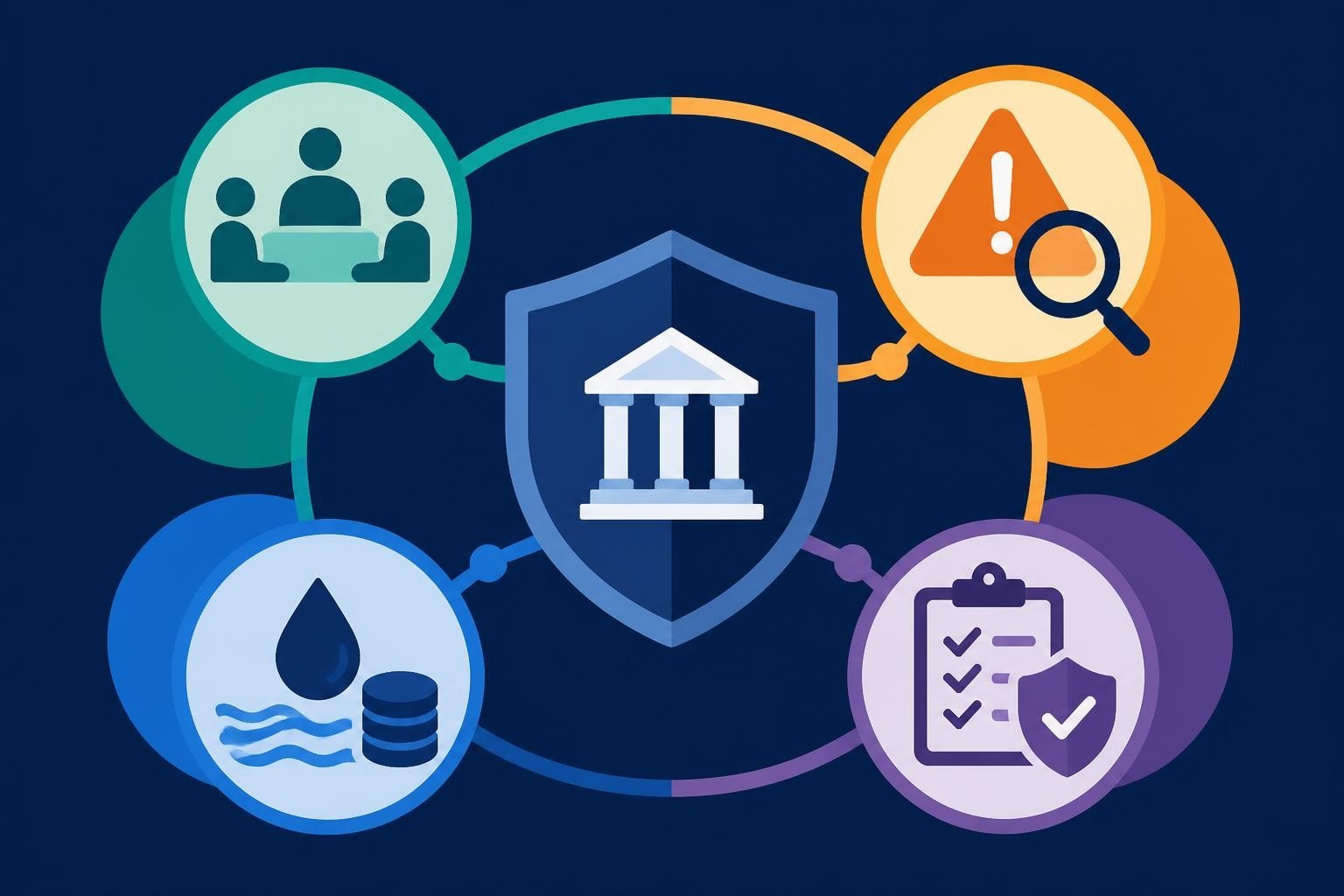
Effective control of finance represents the foundation of sustainable corporate success, particularly in today's volatile economic environment. Organizations that implement robust financial control systems position themselves to navigate uncertainty, satisfy stakeholder expectations, and capitalize on growth opportunities. The ability to monitor, adjust, and optimize financial operations distinguishes resilient companies from those vulnerable to market disruptions and regulatory challenges. Understanding the comprehensive nature of financial control requires examining governance structures, operational processes, technological systems, and strategic frameworks that collectively support organizational objectives.
The Foundation of Financial Control Systems
Control of finance encompasses far more than basic accounting practices or compliance checklists. It represents a comprehensive approach to managing resources, mitigating risks, and ensuring organizational accountability across all financial activities.
Core Components of Effective Financial Control
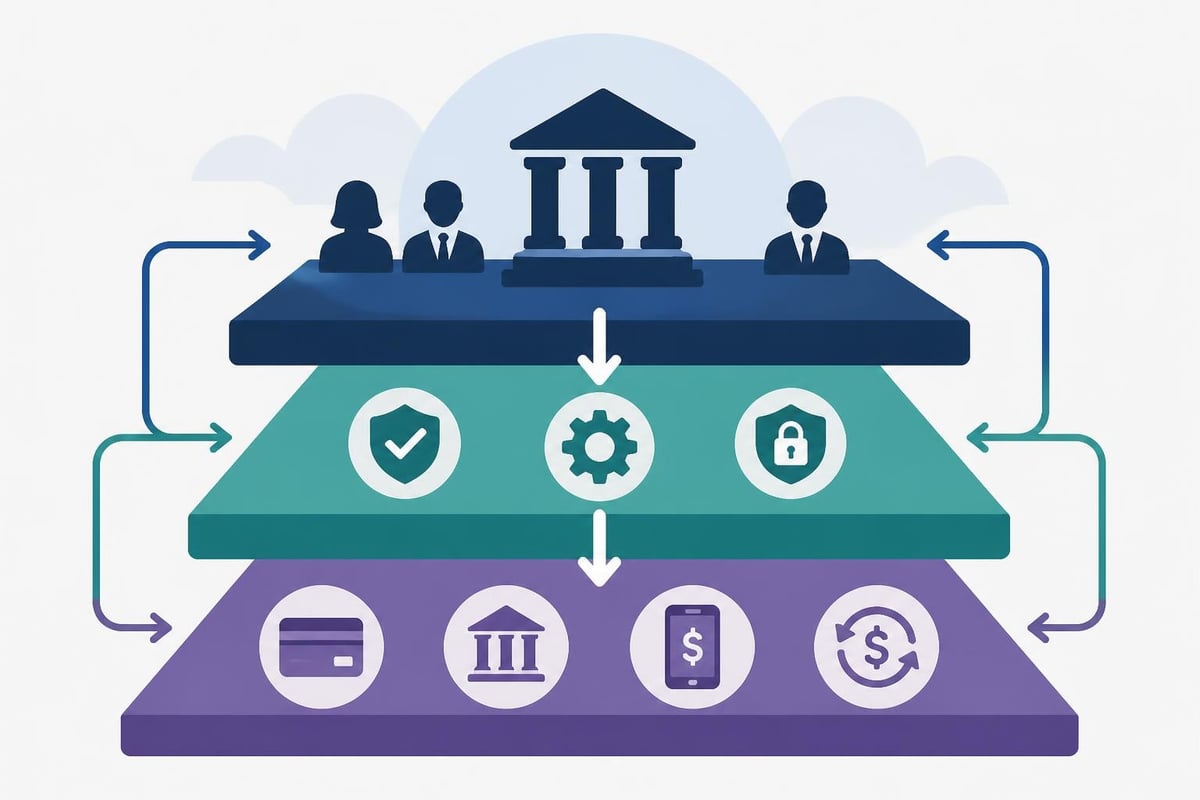
Modern financial control systems integrate multiple layers of oversight and operational safeguards. The foundation begins with strong governance structures that clearly define roles, responsibilities, and approval authorities throughout the organization. These structures establish accountability frameworks that prevent conflicts of interest and ensure proper segregation of duties.
Essential elements of robust financial control include:
- Clear authorization protocols for expenditures and commitments
- Comprehensive documentation standards for all financial transactions
- Regular reconciliation processes between systems and accounts
- Independent audit functions with direct reporting to governance bodies
- Real-time monitoring capabilities for cash flows and liquidity positions
Organizations must also establish control environments that promote ethical behavior and financial discipline. This cultural foundation supports technical systems by creating organizational expectations around financial integrity. Understanding finance regulations, laws, agencies, and oversight mechanisms provides critical context for designing control systems that meet both regulatory requirements and operational needs.
Risk-Based Control Design
The most effective control of finance systems prioritize resources based on risk assessment rather than applying uniform controls across all operations. Organizations should identify areas of highest financial risk-whether from fraud exposure, regulatory compliance, market volatility, or operational complexity-and design proportionate controls.
| Risk Category | Control Priority | Example Measures |
|---|---|---|
| Liquidity Management | High | Daily cash position monitoring, covenant tracking |
| Revenue Recognition | High | Multi-level approval, contract review protocols |
| Fixed Asset Acquisition | Medium | Capital budgeting process, competitive bidding |
| Routine Operating Expenses | Low | Delegated authority, periodic sampling review |
This risk-based approach allows organizations to implement stronger controls where they matter most while avoiding unnecessary bureaucracy in lower-risk areas. Companies operating in specialized sectors should consider industry-specific risks when designing their control frameworks, as addressed in our analysis of risk in industry.
Implementing Operational Financial Controls
Translating control principles into daily operations requires systematic processes that balance efficiency with oversight. The operational dimension of control of finance focuses on transaction-level activities, reporting workflows, and continuous monitoring mechanisms.
Transaction Processing and Documentation
Every financial transaction should flow through established processing channels with appropriate evidence trails. Organizations need standardized procedures for purchasing, accounts payable, payroll, treasury operations, and revenue collection. These procedures specify required documentation, approval levels based on transaction size and type, and system entries that create auditable records.
Modern financial control systems leverage technology to automate many processing controls. Three-way matching between purchase orders, receiving documents, and invoices prevents unauthorized payments. Automated approval routing ensures transactions receive proper authorization before processing. Exception reporting flags unusual patterns or policy violations for management review.
The Office of the Comptroller of the Currency guidance on leveraged finance illustrates how regulatory bodies expect sophisticated controls around complex financial transactions, particularly those involving heightened risk profiles.
Cash Management and Treasury Controls
Control of finance demands particular attention to liquidity and treasury operations given their direct impact on organizational viability. Cash management controls protect against fraud while ensuring optimal deployment of funds across operational needs, investment opportunities, and debt obligations.
Critical treasury control practices include:
- Daily cash position reporting across all accounts and entities
- Separation of payment initiation and approval authorities
- Bank account reconciliation within specified timeframes
- Investment policy compliance monitoring
- Counterparty credit limit enforcement
- Foreign exchange exposure tracking and hedging controls
Organizations should establish clear policies governing cash flow forecasting, banking relationships, and treasury operations authorization. These policies provide the framework for day-to-day decision-making while establishing boundaries that prevent excessive risk-taking. Our discussion of cash funding strategies explores how companies can optimize liquidity while maintaining appropriate controls.
Governance and Accountability Structures
The control of finance ultimately derives its authority and effectiveness from governance structures that define organizational accountability. Board oversight, management reporting, and audit functions create the institutional framework that supports financial control objectives.
Board and Committee Oversight
Effective boards establish audit committees and finance committees that provide specialized oversight of financial controls, reporting, and risk management. These committees review control effectiveness, approve significant policies, and monitor compliance with regulatory requirements and internal standards.
The audit committee typically holds primary responsibility for overseeing the control environment. This includes reviewing internal audit findings, meeting with external auditors, assessing control deficiencies, and ensuring management implements necessary improvements. Finance committees often focus on strategic financial matters including capital structure, major investments, and financial performance against strategic objectives.
Board-level oversight creates accountability for senior management while providing independent validation of control effectiveness. This governance layer becomes particularly important when organizations face complex decisions around risk and risk management strategies.

Management Reporting and Performance Monitoring
Control of finance requires robust management information systems that deliver timely, accurate data for decision-making. Organizations should establish reporting calendars that specify the frequency, content, and recipients of various financial reports. Monthly financial packages typically include income statements, balance sheets, cash flow statements, key performance indicators, variance analyses, and forward-looking projections.
Beyond standard financial statements, effective control environments generate specialized reports addressing specific risk areas or operational metrics. These might include customer concentration analyses, working capital trends, debt covenant compliance, or industry-specific performance indicators.
| Report Type | Frequency | Primary Audience | Control Purpose |
|---|---|---|---|
| Flash Reports | Weekly | Senior Management | Early warning signals |
| Financial Statements | Monthly | Board, Management | Performance assessment |
| Covenant Compliance | Quarterly | Lenders, Board | Debt agreement adherence |
| Budget Variance | Monthly | Department Heads | Resource utilization |
Organizations operating in international contexts face additional complexity in financial reporting and control, as outlined in the Library of Congress guide on international finance.
Technology and Financial Control Systems
Digital transformation has fundamentally changed how organizations implement and maintain control of finance. Enterprise resource planning systems, data analytics platforms, and automated controls provide capabilities that were impossible with manual processes.
Enterprise Systems and Integration
Modern financial control relies heavily on integrated enterprise systems that create single sources of truth for financial data. These systems enforce business rules, maintain audit trails, and prevent unauthorized transactions through user permissions and workflow controls. When properly configured, enterprise systems embed controls directly into transaction processing, reducing reliance on manual review and intervention.
System integration eliminates data fragmentation that creates control weaknesses and reporting inconsistencies. Organizations should ensure their general ledger, procurement, inventory, payroll, and customer relationship management systems exchange data seamlessly. This integration supports comprehensive financial visibility while reducing reconciliation burdens and error rates.
Technology-enabled control capabilities include:
- Automated three-way matching for accounts payable
- Real-time spending against budget tracking
- Duplicate payment detection algorithms
- Vendor master file change controls and monitoring
- Electronic approval workflows with delegation management
- Automated bank reconciliation with exception flagging
Companies should regularly assess whether their corporate finance position benefits from technology investments that strengthen control environments while improving operational efficiency.
Data Analytics and Continuous Monitoring
Advanced analytics transform control of finance from periodic reviews to continuous monitoring. Organizations can now analyze 100% of transactions rather than small samples, identifying anomalies, policy violations, and emerging risks in near real-time.
Predictive analytics help organizations anticipate cash flow challenges, identify customers with deteriorating creditworthiness, and forecast covenant compliance issues before they materialize. Machine learning algorithms detect fraudulent transactions by recognizing patterns that deviate from established norms. These capabilities allow finance teams to shift from reactive control validation to proactive risk management.
The increasing sophistication of financial crimes demands equally sophisticated control mechanisms, as evidenced by resources available through the OCC's Bank Secrecy Act information portal.
Regulatory Compliance and External Standards
Control of finance cannot be separated from the regulatory environment that establishes minimum expectations and industry standards. Organizations must design control systems that satisfy external requirements while supporting internal objectives.
Regulatory Framework Navigation
The regulatory landscape varies significantly based on industry, organizational structure, and geographic footprint. Publicly traded companies face Securities and Exchange Commission requirements including Sarbanes-Oxley internal control certifications. Financial institutions navigate complex prudential regulations covering capital adequacy, liquidity, and risk management. Government contractors must comply with specific cost accounting standards and audit requirements.
Organizations should maintain comprehensive inventories of applicable regulations, monitor regulatory developments, and assess control implications of new requirements. This regulatory intelligence function ensures the organization anticipates rather than reacts to compliance obligations. The Department of the Interior's financial management manual demonstrates how government entities systematize financial policy and control requirements.
Understanding the historical development of financial control theory, as explored in academic reinterpretations of monetary policy and financial control, provides perspective on why certain regulatory requirements exist and how they've evolved over time.
Internal Audit Function
Internal audit provides independent, objective assurance regarding control of finance effectiveness. Unlike operational finance teams responsible for executing controls, internal auditors assess whether controls function as designed and achieve intended objectives. This separation creates accountability while providing management and boards with reliable information about control environments.
Effective internal audit functions follow risk-based audit plans that prioritize areas of greatest financial exposure or control concern. Audit projects examine control design adequacy, test control operating effectiveness, and evaluate compliance with policies and regulations. Audit findings should receive management responses with specific action plans and completion deadlines.
The relationship between internal audit and external auditors creates additional validation layers. External auditors may rely on internal audit work when assessing financial statement controls, creating efficiencies while strengthening overall assurance. Organizations seeking to enhance their control environments should consider insights from business risk assessments that identify priority areas for audit attention.
Strategic Dimensions of Financial Control
Beyond operational and compliance objectives, control of finance supports strategic decision-making and value creation. Organizations that view controls merely as constraints miss opportunities to leverage financial discipline for competitive advantage.
Supporting Strategic Decision-Making
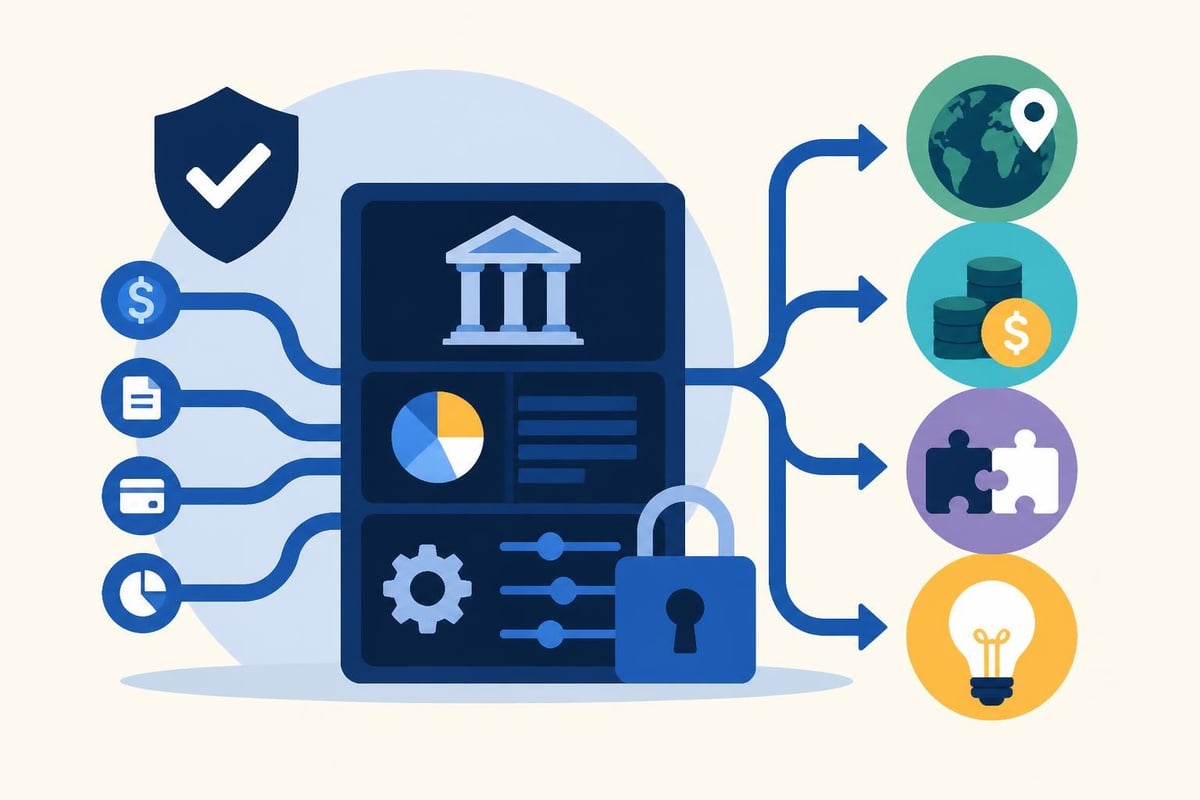
Robust control environments generate reliable financial information that enables confident strategic choices. Organizations considering acquisitions need accurate target company financial data and strong post-acquisition integration controls. Companies expanding into new markets require financial reporting that illuminates regional profitability and cash generation.
Strategic planning processes depend on control systems that produce credible forecasts and scenario analyses. Budget processes allocate resources based on strategic priorities while establishing performance expectations. Capital allocation decisions require controls that track project returns and ensure invested capital generates anticipated value.
The intersection of working capital management and strategic growth illustrates how operational controls enable strategic flexibility by optimizing cash conversion cycles and funding capacity.
Building Lender and Investor Confidence
External stakeholders evaluate organizational control environments when making lending and investment decisions. Strong control of finance signals management competence, reduces perceived risk, and can translate into better financing terms and higher valuations.
Lenders conduct due diligence that examines financial controls, reporting quality, and management capabilities. Organizations with mature control environments navigate these processes efficiently while demonstrating the governance and discipline lenders require. This lender confidence becomes particularly valuable during challenging market conditions when credit availability tightens.
- Maintain covenant compliance reporting and documentation systems
- Produce accurate financial forecasts with variance explanations
- Demonstrate strong cash management and liquidity planning
- Implement transparent reporting for unusual transactions or events
- Establish clear policies governing related-party transactions
Companies preparing for financing activities should review our guidance on services finance professionals provide to enhance lender readiness.
Industry-Specific Control Considerations
While fundamental control principles apply broadly, certain industries face unique financial control challenges requiring specialized approaches. The gold industry, for example, presents distinct control issues around physical security, commodity price risk, and complex supply chains.
Commodity Price Risk Management
Organizations exposed to commodity prices must implement controls around hedging activities, mark-to-market valuations, and contract management. These controls ensure derivative positions align with approved risk management strategies and receive proper accounting treatment. Documentation standards capture the economic rationale for hedging transactions while demonstrating compliance with hedge accounting requirements.
Price risk controls should monitor exposure levels against board-approved limits, requiring management action when exposures exceed thresholds. Regular reporting to governance bodies ensures visibility into hedging effectiveness and residual risk positions. Understanding exposure risk dynamics helps organizations design proportionate controls.
Physical Asset Security and Custody
Industries dealing with valuable physical commodities require enhanced controls around storage, movement, and custody. Segregation of duties becomes critical-individuals responsible for physical custody should not also maintain inventory records or approve transactions. Regular physical counts reconciled to system records detect discrepancies requiring investigation.
Insurance coverage, vault security, transportation protocols, and third-party custodian agreements all form part of comprehensive physical asset control frameworks. These controls protect asset value while providing stakeholder assurance around safeguarding responsibilities.
Continuous Improvement and Control Evolution
Control of finance cannot remain static in dynamic business environments. Organizations must regularly assess control effectiveness, adapt to changing risks, and incorporate emerging best practices.
Control Self-Assessment Programs
Many organizations implement control self-assessment programs where operational managers evaluate controls within their areas of responsibility. These assessments promote control ownership while identifying weaknesses before they result in losses or compliance failures. Self-assessment results inform internal audit planning and management's overall evaluation of control environment effectiveness.
Formal self-assessment processes typically operate on annual or quarterly cycles, using standardized questionnaires or evaluation frameworks. Managers certify control adequacy and report deficiencies requiring remediation. This bottom-up control evaluation complements top-down governance oversight, creating comprehensive control monitoring.
Responding to Control Deficiencies
Even well-designed control environments experience occasional failures. The organizational response to identified deficiencies reveals control culture maturity. Effective organizations conduct root cause analyses to understand why controls failed, implement corrective actions addressing underlying causes rather than symptoms, and share lessons learned across the organization.
Control deficiency remediation should follow project management disciplines with defined scopes, responsible parties, completion timelines, and validation procedures. Senior management and audit committees should track remediation progress, holding managers accountable for timely implementation while providing resources to support necessary changes.
Building Financial Resilience Through Control
The ultimate objective of control of finance extends beyond preventing fraud or ensuring compliance. Effective controls build organizational resilience-the capacity to withstand shocks, adapt to change, and capitalize on opportunities regardless of external conditions.
Organizations with strong control environments weather economic downturns more successfully because they detect emerging problems early and respond decisively. They maintain stakeholder confidence during crises because their financial reporting remains reliable and transparent. They pivot strategically because their control systems provide accurate information supporting rapid decision-making.
Financial resilience requires integrating control thinking into organizational DNA rather than treating controls as administrative burdens. This integration connects control objectives to strategic goals, embeds control responsibilities in job descriptions and performance evaluations, and celebrates control effectiveness as a competitive advantage. The relationship between resilience and risk management demonstrates how control systems enable organizational adaptability.
Organizations seeking to strengthen their control environments should consider whether their current systems adequately support both operational efficiency and strategic ambitions. The assessment should examine governance structures, technology capabilities, talent competencies, and cultural factors that collectively determine control effectiveness. This comprehensive evaluation identifies priority improvement areas while establishing baselines for measuring progress.
Effective control of finance creates the foundation for sustainable corporate success by ensuring accountability, mitigating risks, and supporting strategic decision-making. Organizations that view financial controls as strategic assets rather than compliance burdens position themselves for long-term resilience and growth. AurumCrest Advisory brings over 30 years of experience helping organizations strengthen their financial control environments, enhance lender readiness, and build governance structures that support strategic objectives while maintaining operational discipline.